TransGates Limousine is Houston’s trusted name in Houston executive travel, offering corporate transportation, airport transfers, and cruise transfers across the Houston and Galveston region
TransGates Limousine: Houston’s Leader in Executive Travel
TransGates Limousine, a family-owned Houston transportation company, leads the city’s executive and airport travel sector with unmatched service, professionalism, and community values.
TransGates Limousine: Professional fleet serving Houston executive and airport travelers.
Company Overview: A Houston Family Success Story
TransGates Limousine began in 2005 as a college dream turned thriving enterprise. Founded by a University of Houston–Downtown student, the company started with a single vehicle and a vision to provide high-quality transportation at fair, competitive prices. Today, it operates a fleet of 25+ luxury vehicles across Houston and Galveston, earning a reputation for reliability, ethics, and professionalism.
Mission Statement & Company Values
TransGates Limousine’s mission is simple: “Provide exceptional limousine service at the most competitive rates while maintaining excellence and customer satisfaction.”
The company’s philosophy places people before profit. Clients receive prompt, safe, and personalized service. Employees are treated as family, with dignity and fairness. And the community benefits from TransGates’ charitable involvement and commitment to diversity, respect, and inclusion.
“Customer satisfaction comes before profit. Our reputation is built on service, integrity, and gratitude.” —TransGates Leadership
TransGates Limousine caters to Houston’s business community, international travelers, and leisure guests through an array of transportation options:
Corporate Transportation: Executive sedans and SUVs for board meetings, conferences, and VIP travel.
Airport Transfers (IAH & HOU): Real-time flight tracking, meet-and-greet chauffeurs, and seamless curbside service 24/7.
Cruise Line Transfers (Port of Galveston): Efficient group and private transfers between airports, hotels, and cruise terminals.
Reservations can be made instantly through the online booking platform, which offers real-time ride tracking and secure digital receipts.
Fleet Safety, Compliance & Maintenance Standards
Safety defines every mile of Houston executive travel. Each vehicle undergoes routine inspections, preventive maintenance, and interior detailing. The fleet complies with City of Houston and TxDOT standards and carries full insurance coverage.
GPS tracking, dash cameras, and digital maintenance logs ensure complete transparency and operational excellence. This rigorous approach safeguards both passengers and chauffeurs while maintaining an immaculate fleet appearance.
Professional Chauffeurs & Employee Excellence
TransGates chauffeurs are hand-selected professionals. Each undergoes background screening, defensive driving certification, and hospitality training. Drivers are trained in confidentiality, etiquette, and emergency readiness.
The company views employees as family members. Compensation is fair and working conditions are safe and supportive creating a team culture centered on pride, respect, and accountability.
Pro Tip: When evaluating executive car services, always ask about driver training programs and compliance credentials—it’s the true mark of quality.
Technology & Innovation for a Modern Experience
TransGates uses cutting-edge technology to simplify travel management. The company’s digital dashboard enables clients to:
Book, modify, and manage reservations 24/7
Access billing statements and receipts
Receive automated flight updates and chauffeur details
Track vehicles in real time
This technology-driven efficiency reinforces TransGates’ commitment to transparency and customer convenience.
Community Leadership & Industry Engagement
As a proud Houston Limousine Association member, TransGates advocates for fair regulation, professional standards, and safe, licensed operations across Houston’s limousine industry.
The company actively supports local charities and encourages ethical business practices, helping elevate the reputation of professional transportation services citywide.
TransGates defines customer service as an “Attitude of Gratitude.” Every interaction is guided by the Golden Rule—“Treat others as you wish to be treated.” This ethos fuels long-term relationships with corporations, travel planners, and private clients.
The company continuously develops new skills and service enhancements to exceed client expectations in every category of Houston executive travel.
Frequently Asked Questions
What areas does TransGates Limousine serve?
We serve Houston, Galveston, and surrounding areas, including transfers to and from George Bush Intercontinental Airport (IAH), William P. Hobby Airport (HOU), and the Port of Galveston. Corporate and executive travel services are available across the Greater Houston business districts.
How far in advance should I book my ride?
Same-day reservations are often available, but we recommend booking at least 24 hours in advance to ensure vehicle and chauffeur availability—especially for groups or cruise transfers. You can book instantly through our online reservation page, available 24/7.
What safety measures are in place for passengers?
All vehicles receive routine inspections and preventive maintenance. Chauffeurs are trained in defensive driving and emergency response. Our fleet is fully licensed and insured in compliance with City of Houston and TxDOT regulations.
Are your chauffeurs professionally trained?
Yes. Chauffeurs are screened, uniformed professionals who complete training in customer service, route management, confidentiality, and safety to deliver consistent, executive-level care.
Do you monitor flight arrivals for airport pickups?
Absolutely. We use real-time flight tracking for all airport transfers. If a flight is delayed or early, your chauffeur adjusts pickup time accordingly for prompt service at IAH or HOU. You can schedule your airport pickup anytime through our online booking portal.
What types of vehicles are available in your fleet?
Our fleet includes luxury sedans, SUVs, Sprinters, vans, and mini-coaches for executives, families, and groups. All vehicles are late-model, meticulously maintained, and equipped for comfort and safety.
Conclusion: A Legacy of Service and Growth
From one vehicle to a fleet of 25+, TransGates Limousine has built its reputation on honesty, professionalism, and an unwavering commitment to excellence. As Houston continues to expand, the company remains focused on innovation, sustainability, and delivering the city’s best executive travel experience—with the personal touch only a family-owned business can offer.
Book Your Next Executive Ride
Discover why TransGates Limousine remains Houston’s preferred choice for corporate, airport, and cruise transportation. Visit TransGatesLimousine.com or call today 281-217-0772 to schedule your next ride with confidence.
Successful affiliate networks are built on trust, communication, operational consistency, and long-term professional relationships within the chauffeured transportation industry.
Description:
In today’s chauffeured transportation industry, affiliate partnerships have become one of the most important components of long-term business growth. Whether you operate a single vehicle or manage a large fleet across multiple markets, the ability to build strong, dependable affiliate relationships can directly impact your reputation, revenue, and operational stability.
Many operators focus heavily on acquiring direct clients while underestimating the value of a strong affiliate network. In reality, affiliates often become the hidden infrastructure behind successful limousine and transportation companies. They help expand service coverage, support overflow demand, provide local market expertise, and create opportunities that would otherwise be impossible to handle alone.
However, affiliate relationships are not built overnight. They are earned through professionalism, consistency, communication, and trust.
Why Affiliate Relationships Matter
The modern transportation industry is highly interconnected. Clients increasingly expect nationwide or even global service capabilities. Corporate travel managers, event planners, cruise companies, and luxury travelers want a single point of contact capable of handling transportation in multiple cities.
No operator can effectively cover every market alone.
This is where affiliates become critical. A reliable affiliate network allows operators to:
Expand geographic reach
Accept larger contracts
Handle overflow demand
Improve service reliability
Maintain business continuity during emergencies
Increase operational flexibility
Strengthen client retention
The strongest operators understand that affiliates are not simply vendors. They are business partners whose performance directly affects customer satisfaction and brand reputation.
Trust Is the Foundation
Trust is the true currency of the affiliate industry.
A successful affiliate partnership depends on the confidence that the other operator will protect the client experience with the same level of professionalism you would provide yourself.
When an affiliate handles your client, they represent your brand. One poorly managed reservation can damage years of relationship-building with a valuable customer.
Trust is developed through:
Accurate communication
Timely updates
Professional chauffeurs
Clean and properly maintained vehicles
Reliable dispatch operations
Honest billing practices
Operational transparency
Consistent service quality
Operators who consistently deliver high-quality service naturally become preferred affiliates within the industry.
Communication Is Everything
One of the biggest causes of affiliate failures is poor communication.
Clients become frustrated when operators fail to provide updates, vehicle information, chauffeur contact details, or status reports during delays and disruptions.
Professional affiliate operations require proactive communication at every stage of the reservation process.
This includes:
Fast quote responses
Reservation confirmations
Chauffeur assignment updates
Flight tracking notifications
Real-time dispatch communication
Immediate reporting of issues or delays
Post-service follow-up
Silence creates uncertainty. Strong communication creates confidence.
The best affiliate partners communicate before problems occur, not after.
Strong affiliate relationships are built on communication, trust, reliability, and operational transparency. Successful limousine operators understand that confidence grows when communication stays clear and consistent.
Operational Consistency Builds Reputation
Consistency separates professional operators from unreliable providers.
Affiliates need to know what to expect every time they work with your company. This consistency creates operational confidence and long-term loyalty.
Key areas where consistency matters include:
Chauffeur dress code
Vehicle cleanliness
Pickup procedures
Airport meet-and-greet standards
Dispatch professionalism
Billing accuracy
Reservation handling
Customer service standards
Companies that operate with clear systems and procedures are significantly easier to trust and recommend.
Technology Strengthens Affiliate Performance
Technology has transformed the affiliate landscape.
Modern dispatch systems, GPS tracking, automated status updates, mobile applications, and affiliate reservation platforms help operators provide faster and more reliable service.
Technology improves:
Reservation accuracy
Real-time communication
Flight monitoring
Chauffeur coordination
Billing transparency
Service tracking
Operational accountability
However, technology alone is not enough.
The most successful affiliate relationships combine strong systems with strong human relationships.
Reputation Travels Fast in the Industry
The chauffeured transportation industry is smaller than many people realize. Operators regularly share experiences, recommendations, and warnings about affiliate partners.
A company known for professionalism, honesty, and reliability will continuously attract new affiliate opportunities.
Likewise, operators known for:
Last-minute cancellations
Poor communication
Billing disputes
Unprofessional chauffeurs
Unreliable service
Often struggle to maintain long-term partnerships.
Your reputation becomes one of your most valuable business assets.
Price Should Not Be the Only Factor
Many operators make the mistake of choosing affiliates solely based on price.
While competitive pricing matters, the cheapest option is rarely the safest long-term business decision.
A low-cost affiliate who damages the customer experience can create far greater financial losses through:
Lost accounts
Bad reviews
Refund demands
Reputational damage
Operational stress
Professional operators understand that reliability and service quality often provide far greater long-term value than small pricing differences.
Strong affiliate partnerships are built on mutual respect and operational confidence—not simply on who offers the lowest rate.
Long-Term Relationships Create Stability
The strongest affiliate networks are built over years, not weeks.
Operators who invest time in relationship-building often gain access to:
Preferred pricing
Priority Service
Emergency Support
Large-scale event opportunities
Nationwide Account Partnerships
Trusted Operational Collaboration
These relationships become especially valuable during:
Severe Weather
Major Conventions
Sporting events
Cruise disruptions
Airport shutdowns
Large Corporate Movements
In difficult situations, trusted relationships often matter more than contracts.
Professionalism Always Matters
Affiliate success ultimately comes down to professionalism.
Professional operators understand that every reservation reflects their company’s reputation. They focus on:
Accountability
Responsiveness
Consistency
Operational excellence
Customer Experience
Ethical Business Practices
The operators who dominate the affiliate market are not always the largest companies. They are often the companies that consistently deliver dependable, stress-free service.
Final Thoughts
Affiliate partnerships remain one of the most powerful growth engines within the chauffeured transportation industry.
Companies that prioritize trust, communication, professionalism, and operational consistency will continue building stronger networks and stronger businesses over time.
In an industry where reputation travels quickly and customer expectations continue to rise, affiliate relationships are no longer optional; they are essential.
The operators who understand this reality will be the ones best positioned for long-term success.
Industry knowledge is a competitive advantage. Discover the top publications Houston limousine and chauffeured transportation operators should follow to stay informed on fleet management, corporate travel, tourism, and business growth.
The Houston chauffeured transportation market is one of the most competitive and operationally demanding environments in the country. Operators serving George Bush Intercontinental Airport (IAH), William P. Hobby Airport (HOU), the Port of Galveston, downtown corporate accounts, and major conventions face constant changes in regulations, fleet costs, travel trends, and customer expectations.
For limousine companies, shuttle operators, executive transportation providers, and black car services, staying informed is no longer optional. It is a competitive advantage.
The operators who consistently grow their businesses are usually the same companies actively studying industry trends, monitoring corporate travel behavior, networking with peers, and adapting early to change.
Whether you are an owner-operator running two SUVs or managing a fleet of sedans, Sprinters, and motorcoaches, the right information sources can help you:
Improve profitability
Strengthen affiliate relationships
Prepare for regulatory shifts
Win more corporate accounts
Make smarter fleet investments
Stay ahead of local Houston market trends
Below are the five publications every Houston operator should follow regularly.
Why Should Houston Operators Follow Industry Publications?
Atomic Answer
Houston transportation operators who consistently follow industry publications gain earlier insight into regulations, travel trends, fleet technology, and corporate buyer behavior. This helps companies make smarter operational decisions, improve profitability, and stay competitive in a rapidly changing transportation market.
Houston is not a typical transportation market.
The city combines:
Major international airport traffic
Energy-sector executive travel
Convention and event transportation
Cruise transportation to Galveston
Medical travel connected to the Texas Medical Center
International business traffic
Sports and entertainment transportation
Because Houston serves so many industries simultaneously, operators must understand more than just dispatching and fleet management.
They also need visibility into:
Corporate travel budgets
Tourism growth
Infrastructure development
Hospitality trends
Regulatory discussions
Airport activity
Luxury consumer expectations
This is especially important for companies connected to organizations like the Houston Area Limousine & Charter Association (HALCA), where professionalism, compliance, and operational standards matter.
The right publications help operators think strategically instead of simply reacting to problems.
1. Why Is LCT Magazine Considered the Gold Standard?
Atomic Answer
LCT Magazine is widely considered the industry’s gold standard publication because it delivers deep operational coverage on fleet management, vehicle technology, leadership, safety, and industry-wide business trends specifically tailored to chauffeured transportation operators.
What Is LCT Magazine?
LCT Magazine is one of the longest-running and most respected publications in the chauffeured transportation industry.
For decades, it has covered:
Fleet management
OEM and vehicle updates
Safety standards
Business leadership
Technology adoption
Chauffeur management
Industry conferences
Regulatory developments
Their coverage of the International LCT Show is especially valuable for operators evaluating new technologies, vehicles, and operational systems.
Why Does It Matter for Houston Operators?
Houston operators depend heavily on vehicle reliability.
Whether serving:
Corporate travelers at IAH
Cruise passengers heading to the Port of Galveston
Oil & gas executives downtown
VIP events at NRG Stadium
Medical travelers in the Texas Medical Center
Fleet downtime directly affects revenue and reputation.
LCT Magazine provides practical insight into:
Which vehicles are performing well in commercial service
Maintenance trends
EV adoption challenges
Insurance cost pressures
Chauffeur retention strategies
For Houston fleets operating long-distance airport and cruise transfers, these operational insights can significantly reduce costs.
One Actionable Takeaway
Create a quarterly fleet review process using LCT industry insights.
Compare:
Fuel costs
Vehicle downtime
Maintenance frequency
Passenger satisfaction
Lifecycle replacement timing
This helps operators make data-driven purchasing decisions instead of emotional ones.
2. Why Should Houston Operators Read Chauffeur Driven?
Atomic Answer
Chauffeur Driven helps operators improve networking, affiliate partnerships, and operational strategy through peer-to-peer business insights and real-world industry case studies.
What Is Chauffeur Driven?
Chauffeur Driven is one of the most influential media brands in the chauffeured transportation industry.
Its content focuses heavily on:
Affiliate relationships
Operational strategy
HR and staffing
Leadership development
Industry events
Peer success stories
Technology and automation
The publication also hosts major networking events attended by operators worldwide.
Why Does It Matter for Houston Operators?
Houston is one of the largest affiliate-driven transportation markets in the United States.
This is especially relevant for operators handling:
Airport arrivals at IAH and HOU
Galveston cruise transportation
Corporate roadshows
Sporting events and conferences
One Actionable Takeaway
Audit your affiliate communication process.
Review:
Driver status updates
ETA notifications
Flight tracking procedures
Reservation confirmations
Emergency escalation protocols
Operational transparency improves affiliate trust and increases repeat work.
3. Why Should Operators Read Business Travel News (BTN)?
Atomic Answer
Business Travel News helps transportation operators understand how corporate travel managers think, buy, negotiate, and evaluate vendors—critical knowledge for winning and retaining corporate accounts.
What Is Business Travel News?
Business Travel News focuses on the corporate travel ecosystem.
Unlike limousine industry publications, BTN speaks directly to:
Travel managers
Procurement teams
Corporate buyers
TMCs (Travel Management Companies)
Global travel programs
Topics include:
Corporate travel trends
Travel budgets
Duty of care
Sustainability requirements
Supplier evaluations
Hotel and airline trends
GDS booking behavior
Why Does It Matter for Houston Operators?
Many Houston operators want more corporate accounts.
However, most transportation companies only understand the operator side of the business—not the buyer side.
BTN helps operators understand:
What corporate clients prioritize
Why some vendors win contracts
How procurement departments evaluate transportation providers
Why reporting and compliance matter
This is particularly valuable in Houston’s:
Energy sector
Legal industry
Medical industry
International business sector
Companies serving executive travelers through IAH often compete based on professionalism, reporting, reliability, and traveler safety—not just price.
One Actionable Takeaway
Review your company from a corporate travel manager’s perspective.
Ask:
Is your billing professional?
Do you offer reporting?
Are chauffeurs professionally trained?
Is your insurance documentation easy to provide?
Can corporate clients book efficiently?
BTN can help operators align their service with corporate buyer expectations.
4. Why Is the Houston Business Journal Important?
Atomic Answer
Houston Business Journal provides local economic intelligence that helps transportation operators identify emerging business opportunities, corporate growth sectors, and high-demand transportation markets in Houston.
What Is the Houston Business Journal?
Houston Business Journal covers:
Commercial real estate
Corporate expansions
Hospitality development
Airport growth
Economic trends
Executive movement
Tourism and event activity
It is one of the best sources for understanding Houston’s local business climate.
Why Does It Matter for Houston Operators?
Transportation demand follows economic activity.
When:
New office towers open
Major conventions arrive
Energy companies expand
Hotels are developed
International businesses relocate
Transportation demand increases.
HBJ helps operators identify:
Emerging corporate hubs
Growing event markets
Hotel development trends
Business travel activity
Luxury consumer movement
For example:
Growth near The Woodlands may increase executive transportation demand
Convention expansion downtown may create shuttle opportunities
Cruise growth in Galveston may increase airport transfer demand
One Actionable Takeaway
Build a “market intelligence” habit.
Spend 15 minutes weekly reviewing:
Corporate relocations
Hotel developments
Convention announcements
Airport expansion news
Tourism growth
Then proactively target those opportunities.
5. Why Should Operators Read Texas Highways or Texas Monthly?
Atomic Answer
Texas lifestyle and tourism publications help operators understand luxury travel behavior, regional tourism trends, and hospitality expectations across Texas.
What Are Texas Highways and Texas Monthly?
Texas Highways and Texas Monthly focus on:
Texas tourism
Luxury destinations
Hospitality trends
Events and festivals
Dining and entertainment
Weekend travel
Regional experiences
These publications reveal where affluent travelers are going and what experiences they value.
Why Does It Matter for Houston Operators?
Luxury transportation is closely connected to hospitality.
Houston operators serving:
Cruise passengers
VIP travelers
Destination weddings
Luxury hotel guests
Corporate entertainment clients
Need to understand:
Traveler expectations
Tourism behavior
High-end hospitality standards
These publications can also inspire:
New tour services
Luxury packages
Event transportation opportunities
Destination partnerships.
One Actionable Takeaway
Monitor tourism trends to identify seasonal demand opportunities.
For example:
Sporting events
Festivals
Luxury hotel openings
Cruise growth
Regional tourism campaigns
Then create targeted transportation packages around those trends.
How Often Should Operators Read Industry Publications?
Atomic Answer
Operators should spend at least 30 minutes weekly reviewing industry and business publications to stay informed on regulations, travel trends, fleet costs, and emerging business opportunities.
The goal is not to consume endless news.
The goal is to:
Stay proactive
Identify trends early
Improve decision-making
Reduce surprises
Spot opportunities competitors miss
Even a small weekly habit can create a significant competitive advantage over time.
Frequently Asked Questions
What is the best publication for limousine fleet management?
LCT Magazine is generally considered the best resource for fleet management, vehicle technology, maintenance trends, and operational leadership in the chauffeured transportation industry.
Why should limousine operators follow business news outside the transportation industry?
Business news helps operators understand corporate growth, economic trends, tourism activity, and travel behavior—all of which directly impact transportation demand.
Are these publications useful for small operators?
Yes. Owner-operators and small fleets often benefit the most because industry publications provide access to strategies and insights normally available only to larger companies.
How can Houston operators use industry publications for marketing?
Operators can use industry trends to create blog content, improve SEO, strengthen social media messaging, and position themselves as knowledgeable transportation experts.
Should operators rely only on local industry groups for information?
No. Organizations like HALCA provide valuable local networking and advocacy, but national and business publications offer broader strategic insight into market trends and industry evolution.
Final Thoughts
The transportation companies that thrive long term are usually the ones paying attention before change happens.
Houston operators face:
Increasing competition
Rising insurance costs
Evolving corporate expectations
Technology disruption
Regulatory uncertainty
Changing travel patterns
The companies that stay informed are better prepared to adapt.
Whether you operate:
Executive sedans
SUVs
Sprinters
Shuttle vans
Mini coaches
Motorcoaches
Industry knowledge is a business asset.
By following publications like LCT Magazine, Chauffeur Driven, Business Travel News, Houston Business Journal, and Texas Highways or Texas Monthly, Houston transportation professionals can make smarter decisions, improve service quality, and position themselves for long-term success.
The Houston Area Limousine & Charter Association (HALCA) continues encouraging operators to invest not only in vehicles and technology—but also in education, awareness, and professional development.
What is the best publication for limousine fleet management?
LCT Magazine is generally considered the best resource for fleet management, vehicle technology, maintenance trends, and operational leadership in the chauffeured transportation industry.
Why should limousine operators follow business news outside the transportation industry?
Business news helps operators understand corporate growth, economic trends, tourism activity, and travel behavior—all of which directly impact transportation demand.
Are these publications useful for small operators?
Yes. Owner-operators and small fleets often benefit the most because industry publications provide access to strategies and insights normally available only to larger companies.
How can Houston operators use industry publications for marketing?
Operators can use industry trends to create blog content, improve SEO, strengthen social media messaging, and position themselves as knowledgeable transportation experts.
Should operators rely only on local industry groups for information?
No. Organizations like HALCA provide valuable local networking and advocacy, but national and business publications offer broader strategic insight into market trends and industry evolution.
Houston transportation professionals preparing luxury chauffeur and event transportation services for the FIFA World Cup 2026 at Houston Stadium.
Article Highlights
Houston is preparing to host matches during the historic FIFA World Cup 2026.
Houston World Cup transportation demand is expected to increase significantly across airports, hotels, stadiums, and entertainment districts.
Houston limousine, shuttle, and chauffeur companies are already preparing for increased visitor traffic and operational challenges.
Transportation readiness was discussed during the recent T.E.A.M Houston Soccer Summit.
Small transportation operators are expected to play a major role in supporting Houston’s hospitality and logistics infrastructure during the tournament.
Executive Summary
Houston World Cup transportation providers are preparing for one of the largest international events in the city’s history as Houston gets ready to host matches during the FIFA World Cup 2026. From airport transfers and executive chauffeur services to large-group transportation and event logistics, transportation companies across the Houston region are expanding operations and preparing for increased demand. During the recent T.E.A.M Houston Soccer Summit, industry leaders discussed transportation readiness, hospitality coordination, staging challenges, and visitor experience planning. The Houston Limousine Association believes that professional transportation services will play a critical role in helping Houston successfully welcome visitors from around the world.
Houston World Cup Transportation Is Becoming a Major Industry Focus
Houston World Cup transportation planning has become a major topic throughout the transportation and hospitality industries as the city prepares for the FIFA World Cup 2026. Houston is expected to welcome hundreds of thousands of domestic and international visitors, including soccer fans, media teams, sponsors, executives, athletes, tourism groups, and hospitality organizations.
As one of the official host cities for the tournament, Houston will receive global attention throughout the event. Transportation logistics will directly impact the visitor experience, airport efficiency, event operations, and overall perception of Houston as an international destination.
Houston transportation companies understand that the FIFA World Cup 2026 is not simply another major event. It represents a historic opportunity for the city to demonstrate professionalism, hospitality, organization, and operational readiness on a global stage.
Houston World Cup Transportation Demand Expected to Surge
Houston World Cup transportation demand is expected to increase dramatically throughout the tournament period, particularly around:
Transportation providers are preparing for increased demand in several categories.
Airport Transportation
Houston airports are expected to experience a substantial increase in passenger volume during the tournament. Houston World Cup transportation providers are preparing for:
Professional airport transportation services will become essential for visitors unfamiliar with Houston’s size, traffic patterns, and transportation infrastructure.
Executive Chauffeur Service
Corporate sponsors, media executives, international guests, and event organizers often require high-level executive transportation services during global sporting events.
Houston limousine and chauffeur companies are preparing to provide:
Luxury sedan transportation
SUV transportation
Mercedes Sprinter transportation
Executive van service
VIP chauffeur services
Corporate transportation coordination
Professionalism, punctuality, and customer service will be critical components of Houston World Cup transportation operations.
Group Transportation and Shuttle Services
Houston transportation companies are also preparing for:
Fan transportation
Hotel shuttles
Event transportation
Corporate group transportation
Tourism transportation
Charter bus coordination
Team movement logistics
The ability to coordinate large passenger movements efficiently will become increasingly important throughout the tournament.
Houston World Cup Transportation Challenges
Although the FIFA World Cup 2026 presents enormous opportunities for Houston businesses, it also creates operational challenges that require extensive coordination between transportation providers, venues, airports, hotels, and local agencies.
Traffic and Congestion
Houston already experiences heavy traffic during large events, and World Cup activity is expected to increase congestion significantly near:
NRG Stadium
Downtown Houston
Airport corridors
Hotel districts
Fan zones
Houston World Cup transportation providers are preparing routing strategies and operational contingency plans to minimize delays and maintain service reliability.
Staging and Parking Logistics
One of the major concerns discussed within the transportation industry involves staging locations and pickup coordination for limousine and shuttle operators.
Transportation companies require:
Clearly designated staging areas
Organized pickup zones
Consistent venue policies
Effective communication from event organizers
Efficient staging operations will help improve passenger flow, traffic management, and overall visitor satisfaction.
Staffing and Driver Availability
Houston transportation providers are also evaluating staffing needs ahead of the FIFA World Cup 2026.
Many companies are already considering:
Additional chauffeur recruitment
Customer service training
Airport operation refreshers
Large-event transportation protocols
Hospitality training programs
The transportation industry recognizes that visitor impressions will depend heavily on professionalism and operational efficiency.
Transportation Readiness Discussed at the T.E.A.M Houston Soccer Summit
Houston World Cup transportation readiness was one of the important topics discussed during the recent T.E.A.M Houston Soccer Summit, where business leaders and industry representatives explored how Houston can successfully prepare for the FIFA World Cup 2026.
Several important themes emerged during the discussions.
Houston’s Global Image
The World Cup presents a major opportunity for Houston to showcase itself internationally as:
A business destination
A tourism center
A hospitality leader
A transportation hub
Transportation providers will become an important part of the visitor experience during the tournament.
Hospitality and Visitor Experience
Transportation companies are often among the first and last businesses visitors interact with during their stay. Professional chauffeur service, reliable airport transportation, and organized event logistics can significantly influence how international visitors perceive Houston.
Industry Collaboration
The summit discussions emphasized the importance of collaboration between:
Transportation companies
Hotels
Tourism organizations
Event organizers
Local government agencies
Stadium operators
Houston World Cup transportation planning will require ongoing communication and coordination across multiple industries.
How Houston World Cup Transportation Providers Are Preparing
Houston limousine and shuttle companies are already taking steps to prepare for increased transportation demand during the FIFA World Cup 2026.
Fleet Expansion and Vehicle Preparation
Many operators are reviewing fleet capacity across:
Luxury sedans
SUVs
Mercedes Sprinters
Executive vans
Mini coaches
Charter buses
Transportation providers understand that flexibility and scalability will be essential during tournament operations.
Technology and Dispatch Systems
Houston World Cup transportation providers are investing in:
GPS fleet tracking
Real-time dispatch systems
Flight tracking technology
Online reservations
Automated customer communication
Operational coordination software
Technology will help companies improve efficiency and maintain service reliability during high-demand periods.
Customer Service and Hospitality Training
Houston transportation companies are also emphasizing:
Professional chauffeur appearance
Customer communication standards
Airport coordination procedures
Safety training
Hospitality excellence
Some operators are also exploring multilingual support capabilities to better serve international visitors arriving from around the world.
Why Small Transportation Operators Matter During the FIFA World Cup 2026
The Houston Limousine Association believes that small and mid-sized transportation operators will play a major role during the FIFA World Cup 2026.
Large-scale international events require flexibility, local knowledge, and operational adaptability that independent transportation companies often provide exceptionally well.
Local Expertise
Houston transportation operators understand:
Airport operations
Hotel logistics
Houston traffic patterns
Alternative routes
Event transportation procedures
Operational Flexibility
Small transportation companies are often able to:
Adjust quickly to changing conditions
Provide personalized customer service
Handle specialized transportation requests
Scale operations efficiently
Economic Impact
Local transportation businesses also contribute directly to:
Employment
Tourism support
Small business growth
Tax revenue
Community development
Houston World Cup transportation planning represents an opportunity for local transportation companies to demonstrate professionalism and operational excellence on an international level.
Recommendations for City Leaders and Event Organizers
As Houston continues preparing for the FIFA World Cup 2026, transportation professionals believe several operational areas deserve continued attention.
Clear Transportation Communication
Transportation providers need timely information regarding:
Road closures
Security zones
Venue access
Staging procedures
Parking requirements
Dedicated Transportation Zones
Clearly designated limousine and shuttle zones can improve:
Passenger safety
Traffic flow
Pickup efficiency
Operational coordination
Airport Coordination
Strong communication with Houston airports will help support:
International arrivals
Passenger movement
Executive transportation logistics
Large-group transportation operations
Continued Industry Engagement
Maintaining communication with Houston transportation companies will help organizers better understand operational realities and industry needs before the tournament begins.
Houston Is Preparing to Welcome the World
Houston World Cup transportation providers are preparing to support one of the largest international events ever hosted in the city.
From airport transportation and executive chauffeur service to large-scale event logistics and hospitality coordination, Houston transportation companies are positioning themselves to help deliver a successful visitor experience during the FIFA World Cup 2026.
The Houston Limousine Association believes that through preparation, collaboration, professionalism, and operational excellence, Houston’s transportation industry can help showcase the city’s hospitality and readiness to visitors from around the world.
A Strategic Move Reshaping the Luxury Transportation Industry
Introduction: A Turning Point for the Chauffeur Industry
On March 30, 2026, Uber Technologies announced its agreement to acquire Blacklane, a Berlin-based premium chauffeur service known for its global footprint and hospitality-driven model. While at first glance this may appear to be a straightforward expansion, the implications run much deeper.
This move represents a clear signal that the future of mobility is no longer limited to ride-hailing efficiency—it is shifting toward experience-driven, high-value transportation. Uber is no longer just competing for everyday rides; it is positioning itself to capture the most profitable segment of the market: executive, corporate, and luxury travel.
For limousine operators, this is not just industry news. It is a defining moment that will reshape competition, pricing structures, and customer expectations for years to come.
The Real Goal Behind the Acquisition
Uber’s long-term objective is to build a fully integrated mobility ecosystem that serves every customer segment—from budget to ultra-premium. The acquisition of Blacklane is a strategic shortcut into the luxury tier, allowing Uber to bypass years of operational development and instantly access a global chauffeur infrastructure.
At the center of this strategy is the evolution of what many in the industry are already referring to as “Uber Elite”—a premium service layer designed specifically for corporate executives, international travelers, and high-net-worth clients who prioritize reliability, consistency, and service quality over price.
Unlike traditional ride-hailing, this segment is defined by higher margins, repeat business, and long-term corporate contracts. Uber understands that winning this segment is not about volume—it is about control of high-value clients.
Uber’s Strategic Intent: More Than Expansion
This acquisition is not simply about growth—it is about repositioning Uber within the global transportation hierarchy.
By integrating Blacklane, Uber gains immediate access to a refined operational model built on professionalism, chauffeur training, and hospitality standards. This is a critical shift, as it allows Uber to elevate its brand perception beyond technology and into the realm of premium service.
At the same time, Uber strengthens its position with corporate travel managers, who increasingly demand centralized booking, billing transparency, and global service consistency. By offering both standard and luxury services under one platform, Uber moves closer to becoming a one-stop solution for corporate mobility.
Perhaps most importantly, this move directly challenges traditional limousine companies—not just on price, but on convenience, scalability, and digital experience.
Global Impact: The Acceleration of Industry Transformation
The global limousine and chauffeur industry is entering a new phase of transformation. The line between technology platforms and traditional operators is rapidly disappearing, and Uber’s acquisition of Blacklane accelerates this convergence.
Customers are no longer comparing limousine companies to each other—they are comparing them to the seamless experience provided by global platforms. This shift raises the bar across every aspect of service, from booking and communication to consistency and accountability.
At the same time, the industry is likely to experience increased consolidation. Larger platforms and networks will continue to absorb smaller operators or partner with them, creating a more structured and competitive ecosystem.
This does not eliminate opportunity—it simply redefines it. Operators who adapt to these new expectations will thrive, while those who resist change will gradually lose relevance.
Houston Market Analysis: A Critical Battleground
Houston represents one of the most strategically important markets in the United States for premium transportation services. With two major airports, a strong corporate presence, and a growing cruise industry through the Port of Galveston, the city offers a unique combination of demand drivers.
Uber’s expansion into luxury transportation will likely focus heavily on airport transfers, executive travel, and cruise passenger movements—segments that are already core revenue streams for local limousine operators.
This creates immediate competitive pressure. Corporate clients who once relied on local providers may be drawn to Uber’s integrated platform, while individual travelers may prioritize convenience over brand loyalty.
However, Houston operators also have a powerful advantage: local expertise, established relationships, and the ability to deliver a level of personalized service that large platforms cannot easily replicate.
The outcome will depend on how effectively operators position themselves in this new environment.
How Limousine Companies Must Respond
The path forward is not about competing with Uber on its strengths—it is about doubling down on what makes limousine services unique.
Operators must elevate their brand positioning to clearly communicate premium value. This includes not only visual branding but also the consistency of service delivery, chauffeur professionalism, and overall customer experience.
At the same time, digital presence can no longer be an afterthought. Companies must invest in SEO, direct booking capabilities, and automated communication systems to meet modern expectations.
Equally important is the development of niche services. Whether it is cruise transportation, corporate contracts, VIP concierge services, or specialized group logistics, differentiation will be the key to maintaining market share.
Technology adoption is also essential. Dispatch systems, CRM platforms, and real-time tracking are no longer optional—they are baseline requirements for competing in today’s environment.
New Opportunities in a Changing Market
While increased competition is inevitable, this acquisition also expands the overall market for luxury transportation. As more consumers become aware of premium travel options, demand is likely to grow.
This creates an opportunity for smaller operators to position themselves as boutique, high-touch alternatives. In a world dominated by platforms, personalized service becomes a premium product.
Partnerships will also play a critical role. Hotels, event planners, and cruise lines will continue to seek reliable transportation partners, and local operators are often better positioned to meet these needs.
Additionally, industry associations such as the Houston Limousine Association have an opportunity to lead—by setting standards, providing education, and advocating for fair competition.
Conclusion: The Future of Luxury Transportation
The acquisition of Blacklane by Uber is more than a business transaction—it is a signal of where the industry is heading. Technology and hospitality are no longer separate forces; they are becoming fully integrated.
For limousine operators, the message is clear: the future belongs to those who can combine operational excellence with exceptional service.
Those who adapt will not only survive—they will define the next era of luxury transportation.
Lead the Industry — Don’t Follow It
Join the Houston Limousine Association to access exclusive insights, strategies, and tools designed to help you stay ahead in a rapidly evolving market.
Houston Hospitality Blueprint: What Chick-fil-A, The Ritz-Carlton, and Four Seasons Teach the Limousine Industry
Publisher: Houston Limousine Association (HLA)
Category: Limousine Industry Standards • Customer Experience • Houston Transportation
Luxury chauffeur service in downtown Houston representing a hospitality-first approach to premium transportation.
In 2026, the transportation industry’s strongest competitive moat is no longer fleet size, dispatch software, or vehicle inventory. It is systemized hospitality—consistent, anticipatory service delivered at scale with emotional intelligence.
In Houston, this matters even more. Our market serves corporate travel managers, C-suite executives, medical travelers, and cruise passengers moving through IAH, HOU, major convention venues, and the Galveston Cruise Terminals. When service standards across industries decline, premium operators have an opening to win loyalty by delivering what the market is starving for: reliable, professional, high-touch hospitality.
Executive Summary
Hospitality is no longer a “nice to have” in the chauffeured transportation industry. It is a growth strategy and retention engine. Operators who adopt:
The Ritz-Carlton’s anticipation (empowered frontline problem-solving, personalization)
Four Seasons’ emotional intelligence (quiet luxury, seamless execution, EQ-driven service)
can justify premium pricing, reduce churn, increase corporate retention, and differentiate from rideshare alternatives. This is especially powerful for Houston because the executive market values reliability, composure, and risk reduction more than a small price difference.
When the service experience is standardized and professional, clients feel cared for—every time.
Why Hospitality Is the New Competitive Edge
The biggest disruption in transportation is not vehicles, pricing, or even technology—it is the widespread collapse of customer service across nearly every sector. Travelers have grown accustomed to long wait times, rushed interactions, and inconsistent experiences. That decline has created a rare opportunity for limousine and shuttle operators to stand out by delivering something most markets are missing, genuine, structured, world-class hospitality.
This isn’t a “soft” concept. Customer experience has measurable revenue impact:
86% of consumers are willing to pay more for a better customer experience (PwC).
Increasing customer retention by 5% can increase profits by 25%–95% (Bain & Company research frequently cited in CX/retention literature).
73% of customers say experience is an important factor in purchasing decisions (Salesforce research).
92% of consumers trust recommendations and reviews over advertising (commonly cited Nielsen-style findings).
For Houston operators, no one captures this shift better than Younes J. Aitouazdi, President of TransGates Limousine, one of Houston’s leading ground transportation companies. the lesson is clear: we are no longer in the transportation business—we are in the hospitality business that happens to use vehicles. The companies that master hospitality at scale can earn premium pricing, win corporate contracts, and achieve retention rates that price-based competitors cannot replicate.
1) The Chick-fil-A Model: Speed, Consistency, and Predictability
Operational consistency is engineered—not improvised.
Chick-fil-A’s success is not about chicken sandwiches. It is about a systemized culture of consistency. Whether in Atlanta or Houston, the experience is designed to feel identical, clean, fast, polite, and predictable. That predictability builds trust. Trust creates repeat purchasing behavior.
What limo operators can learn
Predictable service beats “flashy” service
Clients don’t want randomness. They want to know exactly what to expect every time they book: the chauffeur arrives early, communicates professionally, confirms details, helps with luggage, and executes the trip smoothly. Consistency becomes the brand.
Precision systems create premium experience
Chick-fil-A moves lines of cars efficiently because workflows are defined, roles are clear, and communication is proactive. Transportation companies must create the same operational clarity through:
Standardized confirmations and pre-trip reminders
Flight tracking with proactive delay monitoring
Defined arrival buffers (e.g., minimum 10–15 minutes early for executive pickups)
Dispatch handoff checklists (who, where, when, special notes)
Language is a brand standard
“My pleasure” is not accidental—it is a trained micro-script that reinforces brand identity. Limo operators need their own consistent language standards: greeting script, confirmation script, and closing script. The goal is not robotic repetition; it is controlled quality that feels premium.
Result: when chauffeurs adopt standardized greetings and proactive communication, customer satisfaction typically rises—not because the cars changed, but because the experience did.
2) The Ritz-Carlton Standard: Anticipation and Empowerment
Anticipation is the difference between “service” and “hospitality.”
The Ritz-Carlton is famous for empowering every employee to solve problems on the spot. Their philosophy is simple: anticipate needs before the guest expresses them and remove friction immediately. That empowerment creates a feeling of effortless care.
What limo operators can learn
Empower chauffeurs to act
A chauffeur who notices a client is cold should adjust the temperature without being asked. If a client seems rushed, the chauffeur should confirm the fastest route, assist quickly with luggage, and reduce idle conversation. Empowerment means: the frontline professional has the authority to deliver the experience without waiting on dispatch approvals for small decisions.
Personalization is a retention strategy
Documenting a returning client’s preferences—route, temperature, music or silence, beverage choice, and billing format—turns a one-time ride into a long-term relationship. This is where a CRM becomes a hospitality tool, not just an accounting system.
Moments matter more than minutes
Rideshare apps compete on speed and convenience. Premium operators compete on moments of ease: door opening, luggage handling, calm communication, a spotless cabin, smooth driving, and consistent professionalism. The client should feel cared for—not processed.
When a chauffeur anticipates a client’s needs—adjusting music, confirming preferences, providing assistance—clients experience the brand as high-touch hospitality. That perception is what wins referrals and renewals.
3) The Four Seasons Philosophy: Quiet Luxury and Emotional Intelligence
Quiet luxury is calm, intentional, and seamless.
Four Seasons is known for effortless luxury—never loud or showy, but deeply intentional. Their service model is built on high emotional intelligence (EQ). In chauffeured transportation, EQ is the ability to read the client: business mode, family mode, stress mode, celebration mode. The best chauffeurs know when to talk, when to be silent, and how to carry calm into the vehicle.
What limo operators can learn
Luxury is quiet
Clean vehicles, soft-spoken professionalism, and calm confidence outperform flashy theatrics. Luxury clients do not want drama; they want composure, discretion, and seamless execution.
Frictionless logistics
Clients should never feel “logistics stress.” There should be no confusion about pickup points, no uncertainty about timing, and zero gaps in communication. The experience should feel inevitable: the right vehicle, at the right place, at the right time.
The Art of Silence
Four Seasons trains staff to read body language and mood. Chauffeurs must master the art of silence—knowing when the client needs privacy or focus, and when they want engagement. That emotional skill is a major differentiator from rideshare and commodity transport.
Houston Application: Where Hospitality Wins the Contract
Houston’s transportation demand is diverse: corporate offices, energy executives, medical travelers, conferences, airports, and cruise departures. In each segment, hospitality becomes the trust mechanism that wins repeat bookings.
Houston airport transportation (IAH & HOU)
Airport pickups demand clarity, proactive communication, and calm execution.
Airport transfers are the most common entry point for corporate clients. They are also where inconsistency is most visible: late arrivals, unclear pickup instructions, poor communication, and driver confusion. A hospitality-first operator standardizes:
Flight monitoring and proactive delay handling
Clear “where to meet” instructions sent before landing
Professional signage and meet-and-greet protocols
Text/call updates at each stage (arrived, curbside, loaded, departing)
Clean, quiet cabin with executive-ready environment
Galveston cruise transportation
Cruise logistics reward operators who remove stress and confusion.
Cruise transfers are time-sensitive and emotionally loaded (families, luggage, departure windows). Hospitality-first operators remove friction through clear staging communication, early arrivals, luggage help, and calm pacing. When the client feels “handled,” they become loyal—and they leave reviews.
Corporate travel management
Corporate travel managers and executive assistants prioritize reliability and reduced risk. Hospitality is a risk-control system: fewer surprises, fewer complaints, fewer escalations. That is why premium operators often win long-term relationships even when not the lowest bidder.
The Strategic Advantages of Hospitality-First Transportation
Focusing on hospitality creates a competitive moat that pricing or technology cannot bridge. The key advantages:
Stronger corporate relationships: Executives prioritize reliability and composure over discounts.
Premium pricing justification: Clients pay more for peace of mind and predictable execution.
Reduced driver turnover: Drivers treated as hospitality professionals take greater pride and ownership.
More 5-star reviews: Hospitality creates “reviewable moments,” which drive local SEO and trust.
5 Steps to Apply These Principles to Your Operation
Build a Service Playbook: Create standard greetings, vehicle presentation checklists, airport/cruise pickup protocols, and problem-resolution procedures. The goal is controlled quality across every chauffeur and dispatcher.
Train for Emotional Intelligence: Teach chauffeurs how to read mood, protect privacy, handle stress, and communicate with executive professionalism.
Empower Your Team: Give chauffeurs authority to solve small issues (water, temperature, minor service recovery gestures) without delay. Empowerment prevents problems from becoming complaints.
Systemize Follow-Up: Use automated (but personalized) thank-you messages, request reviews ethically, and record client preferences in your CRM.
Lead by Example: Culture flows downward. If leadership is disorganized, communication will be chaotic. If leadership is disciplined, service becomes predictable.
What Hospitality Looks Like in the Vehicle
Professional service is visible in the small moments: doors, luggage, tone, and composure.
The premium experience is built in details:
Chauffeur arrives early and communicates clearly
Vehicle is spotless, odor-free, and executive-ready
Door opening and luggage assistance are offered without asking
Driving is smooth, safe, and calm—never aggressive
Conversation matches the client’s mood (silence when needed)
Trip ends with a clean closing and follow-up (receipt, thanks, review request)
The Future of Ground Transportation
The companies that will dominate the next decade are not the ones with the newest vehicles—they are the ones that deliver predictable, anticipatory, emotionally intelligent hospitality.
Chick-fil-A mastered consistency. The Ritz-Carlton mastered anticipation. Four Seasons mastered emotional luxury. The limousine industry can borrow these principles to transform luxury travel from a utility into an elevated human experience.
Fleet can be matched. Technology can be replicated. Price can be undercut. But hospitality culture—when engineered and protected—becomes a durable moat.
HLA’s Role: Raising the Standard in Houston
The Houston Limousine Association exists to strengthen professionalism, safety, and service standards across our market. When operators align around hospitality systems, the entire industry benefits: fewer bad experiences, stronger client trust, and higher respect for professional chauffeured transportation.
Learn more and connect with professional providers:
Why is hospitality important in the Houston limousine industry?
Hospitality differentiates professional limousine companies from rideshare services by delivering consistency, anticipation, and emotional intelligence. In Houston’s executive, medical, and cruise markets, reliability and stress reduction justify premium pricing and drive repeat bookings.
How can Houston limo companies increase client retention?
Retention increases when operators standardize service playbooks, document client preferences in CRM systems, empower chauffeurs to resolve issues quickly, and maintain proactive communication for airport and cruise transfers.
What does “anticipation” mean for a chauffeur service?
Anticipation is executing client needs before they ask—temperature, route preference, luggage assistance, quiet ride, pickup clarity, and timing precision. It turns transportation into hospitality and improves loyalty.
How does hospitality justify premium pricing?
Clients pay more for predictable execution, reduced stress, and confidence that logistics are handled. Premium hospitality adds value beyond the vehicle itself.
What are the best practices for IAH airport chauffeur pickup?
Best practices include flight tracking, clear meeting instructions, professional signage, proactive status updates, early arrival buffers, and a calm, executive-ready vehicle environment.
How can HLA members use this framework immediately?
Start with a service playbook, standard language scripts, CRM preference tracking, chauffeur empowerment limits, and EQ training modules. Implement in phases and audit weekly for consistency.
Why Skyrocketing Limousine Commercial Auto Insurance Costs Are Threatening Houston Operators
Why Skyrocketing Limousine Commercial Auto Insurance Costs Are Threatening the Industry in 2025
TL;DR – Article Highlights
Limousine commercial auto insurance costs are rising at the fastest pace the industry has seen in decades.
Key drivers include accident severity, nuclear verdicts, rising medical bills, distracted driving, parts shortages, and insurer losses in Texas.
Houston limousine operators are feeling extreme pressure, with many reporting 40–120% premium increases over the past few years.
A unified, data-driven response is needed to advocate for fairer insurance regulations and rating practices.
All Houston limousine operators are asked to complete the industry survey below to share real-world data.
Houston Limousine Operators – We Need Your Input To understand how skyrocketing limousine commercial auto insurance costs are impacting real businesses in our city, we are collecting anonymous, firsthand data directly from operators. Your responses will help us develop proposals for the Texas Department of Insurance (TDI) and present data-driven concerns to policymakers on behalf of the Houston limousine industry.
Commercial insurance has always been a major operational expense for limousine and black-car services, but in recent years premiums have skyrocketed to unprecedented levels. Operators in Houston and across Texas are reporting increases that do not match their claims history, fleet size, or safety records.
This article explains the main reasons behind these skyrocketing limousine commercial auto insurance costs and why your participation in the survey is essential for influencing future regulatory and policy decisions.
1. Insurance Companies Are Facing Heavy Losses in Commercial Auto
Texas is one of the most challenging states for commercial auto insurers. Across the United States, commercial auto lines have posted underwriting losses for multiple consecutive years. For insurers, limousine fleets are often placed in a high-risk category, even when individual operators maintain strong safety records.
When the entire line of business is unprofitable, insurers respond by:
Tightening underwriting standards for commercial auto and livery risks.
Reducing appetite for limousine and black-car operations.
Raising base rates across entire classes, not just for bad risks.
The result is simple but painful: clean operators in Houston pay more because the category itself is labeled high-risk.
2. Accident Severity and Medical Costs Have Increased Dramatically
Even if the number of accidents has not exploded, the severity of each claim—and the cost to settle it—has increased. Medical bills, emergency care, rehabilitation, and lost wage claims contribute to much higher payouts per incident.
Insurers now assume that one serious bodily injury claim can reach into the hundreds of thousands of dollars. That expectation is built directly into premiums for limousine commercial auto insurance across Houston and the rest of Texas.
3. Nuclear Verdicts and Litigation Risk Are Driving Up Liability Costs
“Nuclear verdicts” are multi-million-dollar jury awards, often associated with commercial vehicles. While they may be rare, they shape how insurers view risk.
Liability limits are higher than in past decades.
Umbrella and excess policies are more expensive and harder to obtain.
Even small operators are priced as if they might face a catastrophic lawsuit at any time.
In practice, this means that skyrocketing limousine commercial auto insurance costs are not always connected to your personal claims history—they are connected to legal outcomes across the entire commercial auto industry.
4. Repairing Modern Livery Vehicles Has Become Extremely Expensive
Black-car fleets depend on luxury SUVs and premium sedans, such as Chevrolet Suburbans, Cadillac Escalades, and Lincoln Navigators. These vehicles now include advanced driver-assistance systems, complex electronics, and specialized body components.
A “minor” accident can trigger:
Sensor replacement and recalibration.
High-cost LED or matrix headlight assemblies.
Bumper and grille replacements with embedded technology.
Repair bills that once totaled a few thousand dollars can now easily reach $10,000–$15,000. Insurers price this reality into every physical damage quote for limousine fleets.
5. Distracted Driving and Urban Congestion Increase Claim Frequency
Houston traffic is dense, fast-moving, and often unpredictable. Add in distracted driving—both by other road users and occasionally by professional drivers—and the frequency of commercial auto claims stays elevated.
From an insurer’s perspective, Houston is a complex, high-exposure urban market. That perception feeds directly into the cost of limousine commercial auto insurance in the region.
6. Fewer Carriers Means Less Competition and Higher Prices
As claims and litigation costs climb, some carriers reduce or completely withdraw from commercial auto lines, especially livery and public auto. With fewer carriers competing for your business:
Quotes become limited—sometimes only one realistic option.
Rates rise because there is less competitive pressure.
Coverage flexibility and customization decline.
This “shrinking market” problem is one of the most important reasons to share your experience through the survey so regulators can understand how serious the situation has become for Houston operators.
Why Your Survey Response Matters for Houston Operators
Insurers already have their own data. What is missing is a clear, credible, and well-documented picture from the operators’ side—especially in a key hub like Houston.
We Need Firsthand Information From the Front Lines
By sharing how skyrocketing limousine commercial auto insurance costs are affecting your business, you help build a data set that reflects:
Real percentage increases over the last 2–5 years.
Changes in coverage terms, deductibles, and exclusions.
Operational impacts (reduced fleet size, higher pricing, lost contracts, etc.).
How We Will Use the Data
The goal is to use aggregated, anonymized data to develop proposals and position papers for the Texas Department of Insurance (TDI) and relevant policymakers. We want to:
Demonstrate how the current rating environment is impacting small and mid-sized operators.
Encourage more transparency in how limousine risks are classified and priced.
Advocate for a healthier, more competitive commercial auto insurance market in Texas.
How Other Cities & States Responded
Other regions have taken steps to address rising insurance costs. These examples can guide Houston operators in shaping proposals for reform.
Location / Policy
Action Taken
Goal
Impact / Notes
New York City (2025)
Lowered PIP coverage for for-hire drivers
Reduce mandatory coverage costs
May lower premiums, but savings not guaranteed
New York State (2024)
Intervened after insurer collapse
Stabilize coverage availability
Explored alternative insurers, adjusted minimums
No-Fault States
Require claims filed with own insurer
Reduce lawsuits, speed claims
Stabilizes claims, but premiums can rise with fraud
California
Risk management programs encouraged
Reduce claims frequency
Fleets with telematics qualify for lower rates
Pro Tip: Share the survey with other operators in your network, including those not yet part of the Houston Limousine Association. A larger response pool strengthens our position when speaking with TDI.
Implementing a strong safety culture is one of the most effective ways to manage long-term insurance costs. Consider:
Telematics with driver scorecards and real-time alerts.
Monthly or quarterly safety meetings for all chauffeurs.
Documented preventive maintenance schedules and inspections.
Pro Tip: Keep digital records of training, incidents, and vehicle inspections. These documents can help your broker negotiate better terms and show you are a lower-risk operation.
2. Tighten Driver Qualification Standards
Strong hiring and ongoing evaluation standards reduce your exposure:
Minimum years of driving experience in commercial or passenger transport.
Clean Motor Vehicle Records (MVR) with regular re-checks.
Defensive driving or professional chauffeur training programs.
3. Evaluate Deductible Options and Coverage Structure
Higher deductibles can reduce premiums, particularly for physical damage coverage. Work with a knowledgeable broker to find a balance between premium savings and your ability to absorb out-of-pocket costs per claim.
4. Build Long-Term Relationships With Carriers and Brokers
Jumping from carrier to carrier for short-term savings can backfire. A stable relationship with a broker and insurer who understands the Houston limousine market can improve your long-term rating trajectory.
5. Use Data to Advocate, Not Just React
Filing away your renewal as “just another cost of doing business” is no longer enough. By participating in initiatives like this survey and staying involved with local industry groups, you help turn individual frustration into a collective, organized voice.
For related reading, consider publishing or linking to an internal guide such as:
Conclusion: Rising Costs Demand a Unified, Data-Driven Response
Skyrocketing limousine commercial auto insurance costs are not a temporary inconvenience—they are a structural challenge that threatens the stability and growth of limousine operators in Houston and across Texas. But by working together, sharing data, and speaking with one voice, we can influence how regulators and policymakers understand our industry.
Your next step is simple: take a few minutes to complete the survey and share it with other operators. Every response brings us closer to a fairer and more sustainable insurance environment.
FAQs About Skyrocketing Limousine Commercial Auto Insurance Costs
1. Why are limousine commercial auto insurance costs rising so quickly?
Costs are increasing due to higher accident severity, medical inflation, expensive repairs for modern vehicles, nuclear verdicts in lawsuits, and overall losses in commercial auto lines. Insurers respond by raising rates across the entire category, which impacts even safe, well-managed limousine fleets in Houston.
2. Will limousine commercial auto insurance prices continue to rise in 2026?
Current trends suggest that pressure on premiums will continue in 2026, but organized, data-driven advocacy from operators can influence how regulators and carriers shape the future market. The more information we can present to TDI, the stronger our position becomes.
3. Why is this survey important for Houston limousine operators?
The survey gathers real numbers and real stories from the operators who are living with these rising costs. That information allows us to present clear, credible evidence to the Texas Department of Insurance (TDI) and policymakers, rather than relying solely on insurer data. Your participation helps protect the future of the industry in Houston.
Limo Insurance Coverage: 12 Powerful Tips Every Operator Must Know in 2025
TL;DR:Limo Insurance Coverage is the financial shield for your vehicles, passengers, drivers, and reputation. Cheap policies often hide exclusions that lead to denied claims. In high-risk markets like Houston, operators such as TransGates Limousine need higher limits, UM/UIM matching, and smart add-ons—while saving safely with telematics, clean MVRs, and right-sized deductibles.
Introduction
Limo Insurance Coverage isn’t just a line item—it’s the backbone of a sustainable limo business. Whether you run two vehicles or a 40-unit fleet, insurance typically ranks among your top three expenses. Focusing only on the monthly payment is risky; one uncovered loss can erase years of profit. In fast-moving hubs like Houston—with airport congestion, cruise-terminal surges, and high uninsured-driver rates—coverage is your survival plan. This guide gives you a practical framework to balance protection, contracts, and cost.
Why Limo Insurance Coverage Matters
A strong policy protects five pillars of your business:
People: Passengers and drivers after injuries.
Assets: High-value vehicles and equipment.
Liability: Lawsuits and third-party damages.
Reputation: Your brand and client trust.
Contracts: Airport, hotel, and corporate requirements.
Under-insuring may save $150/month but can result in denied claims, low payouts, or lost accounts. Smart operators “buy coverage,” not payments.
Core Components of Limo Insurance Coverage
1) Auto Liability (Foundation)
Liability covers bodily injury and property damage you cause. Most contracts (airports, cruise lines, corporations) require $1,000,000 CSL. Larger fleets or VIP work may benefit from $1.5M–$2M. In Houston the City of Houston / ARA (Administration & Regulatory Affairs) require minimum of $500K liability, but is that enough to cover you?
2) Uninsured/Underinsured Motorist (UM/UIM)
When another driver can’t pay (common in large cities), UM/UIM pays for injuries to your passengers and drivers. Recommendation: match your liability limit, ideally $1M.
3) PIP / MedPay
Personal Injury Protection (PIP) or MedPay covers medical expenses regardless of fault. In Texas, the minimum is $2,500 per person, but many limo operators choose $5,000–$10,000 to reflect rising medical costs.
4) Physical Damage (Comp & Collision)
Protects against collision, theft, flood, hail, vandalism, and more. Insure newer or financed vehicles with a deductible of $2,500–$5,000. Use Stated Value to avoid low ACV payouts on specialty vehicles.
5) Hired & Non-Owned Auto (HNOA)
If you rent vehicles for seasonality/maintenance or subcontract to affiliates, HNOA is essential. Without it, your business could be exposed to third-party losses you don’t directly control.
6) General Liability (GL)
GL handles non-driving risks: slips at your office or staging lot, signage injuries, etc. Common limits: $1M per occurrence / $2M aggregate.
7) Umbrella / Excess Liability
Adds $1M–$3M above your other policies. Valuable for executive clients, larger fleets, and high-exposure markets like Houston.
Contract demands: Hotels, FBOs, and corporations often require strict certificates.
Local leaders like TransGates Limousine pair strong limits with safety programs—telematics, dashcams, documented maintenance, and driver coaching—to manage loss frequency and premium trends.
Optional Coverages Worth Adding
Roadside Assistance & Towing
Rental Reimbursement (keep trips moving during repairs)
Full Glass (windshields for SUVs/Sprinters add up)
Garagekeepers Legal Liability (if you store client vehicles)
Cyber/Data Liability (bookings, payments, PII)
Employee Dishonesty (cash, fuel, electronics)
Cost-Saving Strategies (Without Risk)
Dashcams & telematics: Many carriers offer 5–10% credits for verified safe driving.
Clean MVRs: Audit driver records quarterly; remove high-risk drivers fast.
Higher deductibles: $5,000 is common on high-value SUVs and Sprinters.
Annual coverage review: Adjust to fleet age, valuation, and lender requirements.
Liability-only on older units: Don’t over insure easily replaceable vehicles.
Case Study: The $42,000 Lesson
A Houston operator switched to a cheaper policy to save $220/month. After a total-loss collision, the insurer paid Actual Cash Value, not the true replacement cost. The operator lost two corporate accounts, missed 19 service days, and still had to fund a new vehicle. The combined hit—cash, downtime, and lost contracts—exceeded $42,000. Cheap insurance turned out to be the most expensive choice. For a deeper breakdown of the most common errors operators make with their coverage, review this guide on the top limousine insurance mistakes and how to avoid them.
Recommended Policy Checklist
$1,000,000 Auto Liability CSL (or higher as required)
Houston airports and cruise terminals increase exposure—coverage matters.
FAQs
What is the minimum Limo Insurance Coverage I need?
Most contracts require $1,000,000 CSL liability. Some corporate and public-sector accounts mandate higher limits. Always verify certificate requirements before bidding.
Should UM/UIM match my liability limit?
Yes—especially in large markets like Houston where uninsured drivers are more common. Matching limits (e.g., $1M) protects passengers and drivers when the at-fault party cannot pay.
Is increasing PIP from the state minimum worth it?
Typically, yes. Medical costs are rising, and $5,000–$10,000 PIP helps manage short-term expenses and reduces downtime for drivers and passengers after incidents.
How can I lower premiums without weakening coverage?
Use dashcams/telematics for 5–10% credits, raise deductibles strategically, maintain clean MVRs, and conduct annual policy reviews. Apply liability-only to older units that are inexpensive to replace.
Conclusion
Limo Insurance Coverage is the foundation of a resilient limousine company. The smartest operators don’t chase the cheapest payment; they engineer the right mix of limits, UM/UIM, PIP, Physical Damage, HNOA, GL, and Umbrella—then reduce total cost with safety tech and disciplined driver management. That’s how brands like TransGates Limousine protect passengers, win contracts, and grow sustainably in competitive markets like Houston.
If you’re a limousine operator in Texas, you don’t have to navigate the complex world of insurance alone. The Houston Limousine Association empowers local operators with expert insights, group discounts, and professional guidance to help you secure the best limousine commercial auto insurance coverage at the most competitive rates. Protect your investment, strengthen your business, and connect with trusted industry leaders — get a membership plan today and drive your success forward with confidence.
Focus Key Phrase:2025 Lincoln Navigator Black Label review
For Houston-area limousine and chauffeur services, choosing the right full-size luxury SUV is a strategic decision. This 2025 Lincoln Navigator Black Label review examines performance, passenger comfort, technology, design, and total cost of ownership through a fleet-manager lens. Our goal is to provide actionable insights for HLA members who serve corporate accounts, airport transfers between IAH/HOU and Downtown, and VIP engagements around venues like the Galleria, River Oaks, the Medical Center, and major stadiums.
Panoramic display + 11.1-inch touchscreen with Google Built-in improves chauffeur workflows.
Performance & Powertrain
Engine: 3.5L twin-turbo V6Output: ~440 hp / ~510 lb-ftTransmission: 10-speed automaticTowing: up to 8,700 lbs
The 2025 Navigator’s twin-turbocharged 3.5-liter V6 delivers strong low-rpm torque for decisive launches with multiple passengers and heavy luggage. The 10-speed automatic keeps the engine in its power band without calling attention to shifts, which helps maintain a serene cabin. For fleets that occasionally require trailering or support gear, the substantial towing capacity broadens the vehicle’s utility beyond traditional point-to-point service.
Fuel economy—roughly mid-teens city and low-20s highway—lands where you’d expect for a body-on-frame full-size luxury SUV. While not a fuel-sipper, the Navigator rewards with a composed, unflustered demeanor under load and at highway speeds, which Houston operators will appreciate on I-45, I-10, US-59/I-69, and Beltway 8 corridors.
Operator Guidance:
Leverage the torque for high-occupancy airport runs and rapid merges from frontage roads.
If trailering is part of your business model (event gear, display assets), spec the appropriate towing package.
Use adaptive drive modes conservatively—clients feel abrupt changes; prioritize smoothness over sportiness.
Ride Comfort & Handling
The Navigator employs a traditional body-on-frame platform coupled with independent suspension and adaptive damping. The cabin is quiet, and stability is excellent on Houston’s well-paved segments. On patched asphalt, expansion joints, or construction-affected streets, the absence of air suspension can make the ride feel firmer than some European competitors. Wheel size has an outsized influence here.
Pro Tip (Houston Roads): Select 20–22-inch wheels for a more compliant ride. The popular 24-inch aesthetic can amplify harshness that VIP clients will notice.
Steering is light and accurate, ideal for precise curbside placement at hotels and terminals. The braking system is confidence-inspiring, with pedal tuning that makes smooth stops easy for seasoned chauffeurs. Overall, the 2025 Lincoln Navigator Black Label balances authority and ease, though it does not float over rough patches like air-suspended rivals.
Interior, Tech & Passenger Experience
Inside, the 2025 Lincoln Navigator Black Label review story centers on technology and ambiance. A sweeping 48-inch panoramic display spans the dash, paired with an 11.1-inch center touchscreen. With Google Built-in, chauffeurs get native Maps, voice assistance, and app access without juggling phones—useful for predictable routing to IAH/HOU, stadiums, or corporate campuses.
Second row: The best seats for VIPs—captain’s chairs deliver separation and comfort. Add pillows and bottled water for a boutique feel.
Third row: Adequate for short trips and staff rides; for adult VIPs on longer journeys, consider seating them in the second row.
Materials: Semi-aniline leather, real wood trim, and restrained ambient lighting support an upscale presentation.
Controls: Some HVAC and vent adjustments live in the screen—train chauffeurs to make changes before pickup.
Cargo & access: Split tailgate simplifies quick loading; the lower panel doubles as a bench during event staging.
Second-row captain’s chairs are ideal for executive transfers and premium airport service.
Design & Branding Impact
The exterior design telegraphs luxury: a full-width light signature, an assertive grille, and tasteful accents on Black Label trims. It looks expensive at the curb—important for hotel forecourts, stadium suites, and gala arrivals. In marketing, the Navigator photographs beautifully against the Downtown Houston skyline, the Galleria, or along Allen Parkway.
Branding Ideas:
Launch a premium tier (e.g., “Black Label Executive SUV”) with differentiated pricing and amenity standards.
Use professional photography and short reels highlighting the panoramic display and quiet cabin.
Feature the SUV in Google Business Profile posts and service pages targeting “executive SUV Houston.”
2025 Lincoln Navigator signature elevates the arrival experience for VIP clients.
Suitability for Houston Limousine Operations
Where It Excels
Executive transfers: Downtown ↔ IAH/HOU, Energy Corridor, Greenway Plaza—quiet, composed, and impressive at the curb.
High-visibility events: Galas, conventions, and corporate hospitality where brand image matters.
Mixed duties: Roomy second row for VIPs plus flexible cargo space for luggage or equipment.
Considerations
Ride quality: Without air suspension, rough surfaces can register—mitigate with wheel/tire choices and vigilant maintenance.
Third-row comfort: Acceptable, but not ideal for full-adult VIP usage on longer routes.
Parking & maneuvering: It’s a large SUV; allocate training time for tight hotel and venue approaches.
Operating Costs, Insurance & Depreciation
Beyond MSRP, consider fuel, maintenance, tires, insurance appetite, and the opportunity to command higher fares under a premium tier. In Houston, full-size luxury SUVs with strong branding can yield better revenue per trip—particularly for corporate accounts and events—offsetting higher costs if utilization is strong.
Fuel & Tires: Expect premium tire replacement costs; maintain proper pressures to protect ride quality and efficiency.
Service Intervals: Follow factory schedules; prioritize suspension and NVH inspections to preserve a “quiet flight.”
Insurance: Provide your carrier with usage details (corporate transport, airport runs) and available safety features.
Resale: Document maintenance rigorously and avoid oversized wheels to protect ride quality and value.
Competitive Context
The Navigator’s strengths are presence, technology, and torque. European rivals with air suspension can isolate bumps better, while Escalade offers an equally bold image with different chassis tuning. For Houston operators, the choice often comes down to brand alignment, ride expectations, and client preferences. A brief pilot with top clients can clarify the best fit.
Pro Tips for Fleet Integration
Pilot Program: Assign one unit for 30 days to key accounts; capture ratings on comfort, cabin noise, and overall experience.
Spec for Comfort: Choose 20–22″ wheels, touring-focused tires, and second-row captain’s chairs.
Chauffeur Training: Pre-configure Google Built-in, voice prompts, and navigation favorites (IAH Terminals A-E, HOU, major hotels).
Staging & Access: Use the split tailgate during event staging; ensure chauffeurs know dimensions for loading zones.
Marketing: Build landing pages around “executive SUV Houston,” “IAH black car,” and “Galleria limo service.”
Amenity Standards: Mandate bottled water, charging cables, tissue, and a scent-neutral cabin for all premium bookings
FAQs
Is the 2025 Navigator Black Label suitable for full VIP capacity (7–8 adults)?
It seats up to eight, but the second row is the prime VIP experience. Use the third row for staff or shorter trips. For all-adult VIPs on longer routes, consider a second vehicle or a model with air suspension for maximum comfort.
How does the ride compare to European rivals on Houston streets?
It’s refined and quiet, but without air suspension it can feel firmer over patched roads and joints. Spec 20–22″ wheels, keep tires fresh, and maintain proper pressures to improve compliance.
What should Houston operators prioritize when adding one to the fleet?
Comfort-oriented wheel/tire packages, second-row captain’s chairs, chauffeur tech training, and a premium service tier that supports higher per-trip revenue to offset operating costs.
Summary
The 2025 Lincoln Navigator Black Label review for Houston operators comes down to balance: commanding presence, torque-rich performance, and a tech-forward interior make it a compelling executive SUV. While the ride isn’t as pillowy as air-suspended competitors and the third row isn’t ideal for long VIP trips, careful specification and strong chauffeur training can deliver a premium experience that resonates with corporate accounts and high-visibility events. For many HLA members, it’s a strong fleet candidate when positioned as a premium tier and deployed on routes where its strengths shine.
MSC Cruises Launching in Galveston November 2025: Mediterranean Style Meets Texas Hospitality
MSC Cruises launching in Galveston November 2025
TL;DR: What to Know About MSC Cruises Launching in Galveston November 2025
MSC Cruises launching in Galveston November 2025 with MSC Seascape sailing year-round to the Western Caribbean.
Texas-inspired twist: football-themed sports bar, country music & line dancing, and menus informed by a Texas tasting tour.
Standouts: MSC Yacht Club (butler service, private venues), Robotron thrill ride, Pirates Cove AquaPark, and robust kids & teens clubs.
Itineraries include favorites like Cozumel and Roatán; fares are dynamic—check current rates when booking.
Getting there is easy: fly into HOU or IAH and take a shuttle, rideshare, or black-car service to the Galveston Cruise Port.
Why This Launch Matters for Travelers
With MSC Cruises launching in Galveston November 2025, travelers across the South gain a convenient drive-to gateway to the Western Caribbean—infused with Mediterranean flair and a distinctive Texas spirit. The Swiss-Italian brand is positioning MSC Seascape as a floating celebration of Texas hospitality, while the MSC Cruises Galveston 2025 launch expands options for first-time cruisers and loyal fans alike.
For cruise enthusiasts, the MSC Seascape Galveston launch blends European design with approachable, family-friendly fun, creating a compelling new choice among cruises from Texas.
Meet MSC Seascape: Big, Bold, and Built for All-Ages Fun
MSC Seascape has earned buzz for family credentials and eye-catching features. Families gravitate toward the Pirates Cove AquaPark, kids & teens clubs, and expansive deck spaces, while thrill-seekers beeline for Robotron—a giant robotic arm ride delivering 360-degree ocean views. Adults can retreat to serene lounges, specialty restaurants, and the spa, or level up to the ship-within-a-ship MSC Yacht Club for private dining, deck, and butler service.
Design-wise, expect glamorous atriums, indoor-outdoor promenades, and venues that transform from day to night—ideal for couples, multi-gen groups, and first-time cruisers exploring MSC Cruises Texas sailings.
A Texas Twist at Sea: Food, Football, and a Little Two-Step
MSC took a culinary road trip across the state to layer in authentic flavors. Morning favorites may include huevos rancheros or chicken and waffles; later, look for Texas-style prime rib, roasted corn with poblano, and classics that nod to local barbecue traditions. Beyond the plate, a football-inspired sports bar celebrates the state’s game-day culture, with communal screens and private-TV booths so you’ll never miss a play.
Evenings add a Texas accent to the entertainment lineup: live country music, line-dancing lessons, and themed parties complement MSC’s Mediterranean style—key highlights many look for when searching MSC Cruises Galveston 2025 options.
Dining, Bars, and Lounges: Variety Leads on the Galveston Launch
Between main dining rooms and specialty venues, you can curate a different vibe each night. Italian heritage is never far away—expect Mediterranean staples—yet you’ll also find international hits and Texas-inspired comfort dishes. Bars range from chic cocktail lounges to grab-and-go coffee counters and late-night music spots. Pro tip: reserve coveted specialty venues early, especially on sea days and formal nights during the MSC Seascape Galveston launch season.
For Families: Built-In Memory Makers on MSC Cruises Galveston 2025
Pirates Cove AquaPark with splash zones and slides that keep kids moving.
Robotron for thrill seekers (height restrictions apply).
Kids & Teens Clubs—age-grouped programming that helps young cruisers make friends fast.
Family-friendly staterooms and adjoining options for larger groups.
Tip: Pack swimsuits in your carry-on for embarkation day so kids can hit the splash areas immediately while luggage is delivered—a handy hack for MSC Cruises launching in Galveston November 2025 sailings.
Inside MSC Yacht Club: Privacy, Perks, and Personal Service
For a boutique luxury overlay, the MSC Yacht Club provides a private sanctuary at the top of the ship: 24/7 butler service, a dedicated restaurant and lounge, and an exclusive sundeck with pool and bar. Guests enjoy priority embarkation and disembarkation, escorted tendering (where applicable), and a quieter, curated onboard experience—while retaining access to the ship’s full entertainment universe on MSC Cruises Texas sailings.
Western Caribbean Itineraries from Galveston
Starting November 2025, MSC Seascape is scheduled to operate year-round five- and seven-night Western Caribbean sailings with marquee calls like Cozumel (Mexico) and Roatán (Honduras). Fares are dynamic and can vary by season and cabin category; check live pricing when you book through the official MSC Cruises website for MSC Cruises launching in Galveston November 2025 departures.
Booking tip: If your dates are flexible, compare several weeks across shoulder seasons for value pricing—especially for balcony cabins and suites tied to the MSC Seascape Galveston launch.
Galveston Cruise Port: Easy Drive-To Access and a New MSC Presence
Galveston is one of America’s most convenient drive-to cruise homeports for the South and Midwest. The planned dedicated MSC terminal at Pier 16 aims to streamline arrival, parking, and embarkation—great news for both first-timers and frequent cruisers comparing MSC Cruises Galveston 2025 options. If you’re close enough to drive, consider overnighting on the island the night before; it reduces stress and lets you start vacation mode early along the historic Strand or the seawall.
Learn more about local port updates via the Port of Galveston (DoFollow link).
How to Get from Houston Airports to the Galveston Cruise Port
Flying in for MSC Cruises launching in Galveston November 2025? You have two main airport options:
Shared Shuttles: Cost-effective per person, with scheduled departures aligned to common flight windows.
Rideshare & Taxis: Flexible, simple for couples or small families with light luggage heading to MSC Cruises Galveston 2025 sailings.
Private Black-Car / Limo: Best for groups, families with strollers, or travelers who value door-to-door service and fixed-rate pricing.
Rental Car: Works if you plan a pre/post stay; factor in one-way drop fees and parking near the terminal.
Timing tips: Aim to land before noon on embarkation day (or arrive the day prior). On disembarkation, flights departing before 11:30 a.m. can feel rushed—book later if possible when sailing on the MSC Seascape Galveston launch.
Cabin selection: Aft-facing balconies are prized for wake views; forward decks can be breezier.
Seasonality: Holiday weeks and spring break sell fast; book early for family cabins and Yacht Club on MSC Cruises Texas sailings.
Specialty dining: Reserve pre-cruise for prime times; consider a dining package if you’ll sample multiple venues during MSC Cruises launching in Galveston November 2025.
Excursions: In Cozumel and Roatán, snorkeling and beach clubs are highlights; research independent vs. ship tours tied to MSC Cruises Galveston 2025.
Travel docs: Check passport validity and any country-specific entry rules tied to your itinerary.
Sustainability Snapshot
Modern cruise ships increasingly feature energy-efficient systems, advanced wastewater treatment, and waste-reduction programs. As a traveler, simple habits help: refillable bottles, reef-safe sunscreen, and mindful excursion choices that support local operators when sailing on the MSC Seascape Galveston launch.
The Bottom Line: A New Option for Cruises from Texas
MSC Cruises launching in Galveston November 2025 brings a fresh blend of European style and Texas warmth—on a ship engineered for both high-energy fun and elevated escapes. Whether you’re bringing the whole crew, planning a couples’ getaway, or eyeing the indulgence of MSC Yacht Club, the MSC Seascape Galveston launch positions Galveston as an even more compelling homeport for Western Caribbean adventures.
Frequently Asked Questions About MSC Cruises Galveston 2025
Is MSC Cruises really launching in Galveston in November 2025?
Yes—MSC Seascape is slated to begin year-round Western Caribbean itineraries from Galveston starting November 2025, subject to operational adjustments associated with MSC Cruises launching in Galveston November 2025.
Which destinations will MSC Seascape visit from Galveston?
Expect Western Caribbean staples such as Cozumel (Mexico) and Roatán (Honduras), with specific port calls varying by sailing length and date for the MSC Seascape Galveston launch.
What makes the onboard experience “Texas-inspired”?
Menus influenced by a Texas tasting tour, a football-themed sports bar, and country-flavored entertainment like live music and line-dancing complement MSC’s Mediterranean style on MSC Cruises Texas sailings.
How do I get from Houston airports to the Galveston cruise terminal?
Hobby (HOU) is about 45–60 minutes by car; Intercontinental (IAH) about 75–100 minutes. Choose shuttles, rideshare/taxis, private black-car, or a rental car when planning for MSC Cruises Galveston 2025.
Is MSC Seascape good for families?
Absolutely. Families love the Pirates Cove AquaPark, kids & teens clubs, family-friendly cabins, and the Robotron ride (height rules apply) on MSC Cruises launching in Galveston November 2025 departures.
What is MSC Yacht Club and is it worth it?
Yacht Club is a private ship-within-a-ship with butler service, exclusive dining, and a members-only sundeck and pool. It delivers a boutique luxury feel on the MSC Seascape Galveston launch program.
Do I need a passport for Western Caribbean cruises?
Passports are strongly recommended for international sailings. Always check official guidelines for your specific itinerary and citizenship when booking MSC Cruises Galveston 2025.
When should I book?
For peak holidays and school breaks, book 9–12 months out. Flexible travelers often find value in shoulder seasons tied to MSC Cruises Texas sailings.
What’s the address of the MSC Cruise Terminal in Galveston?


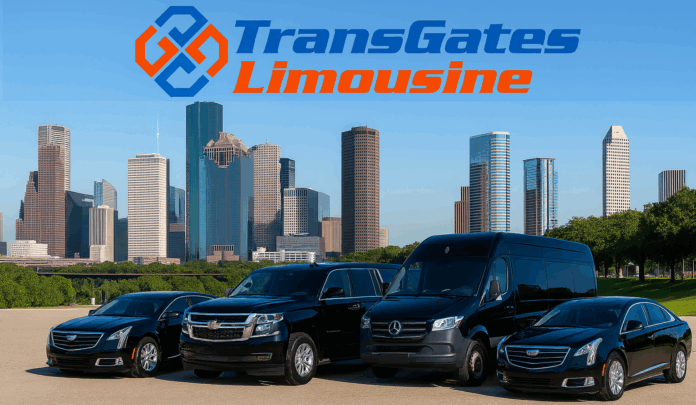


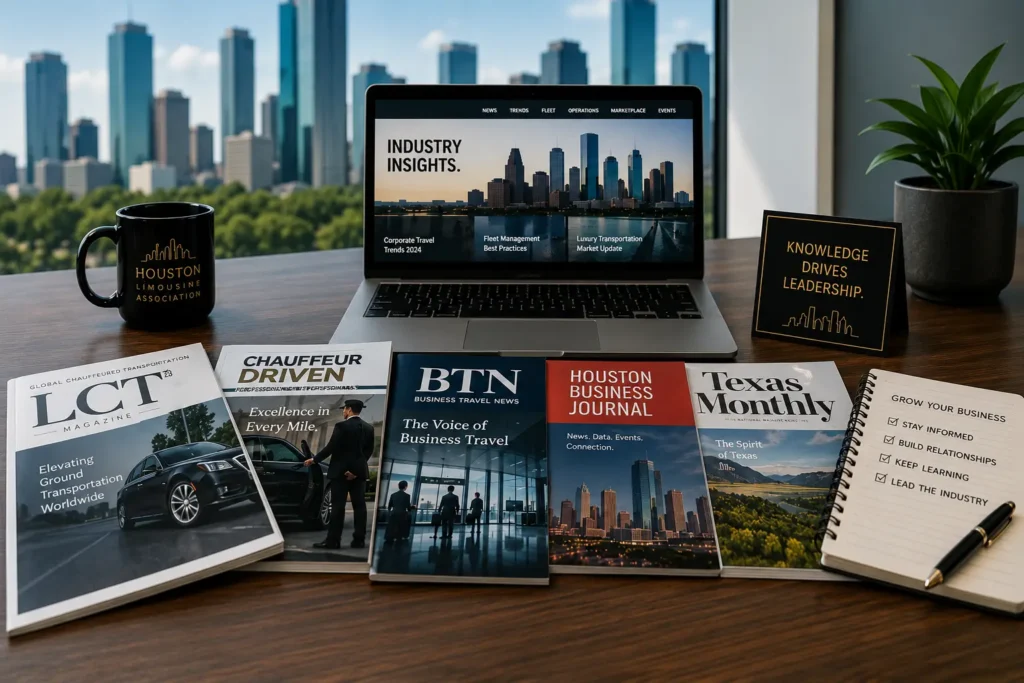

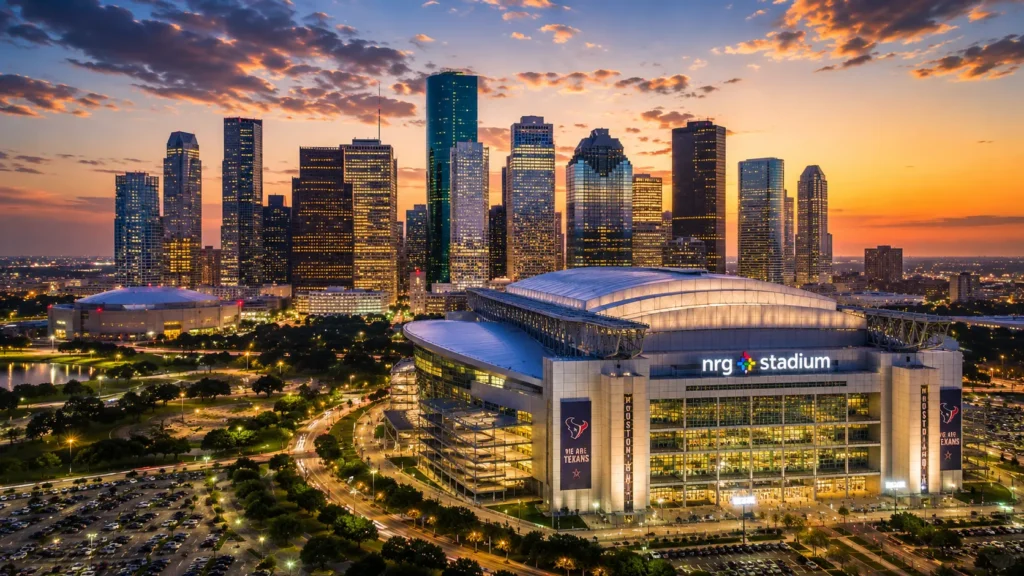

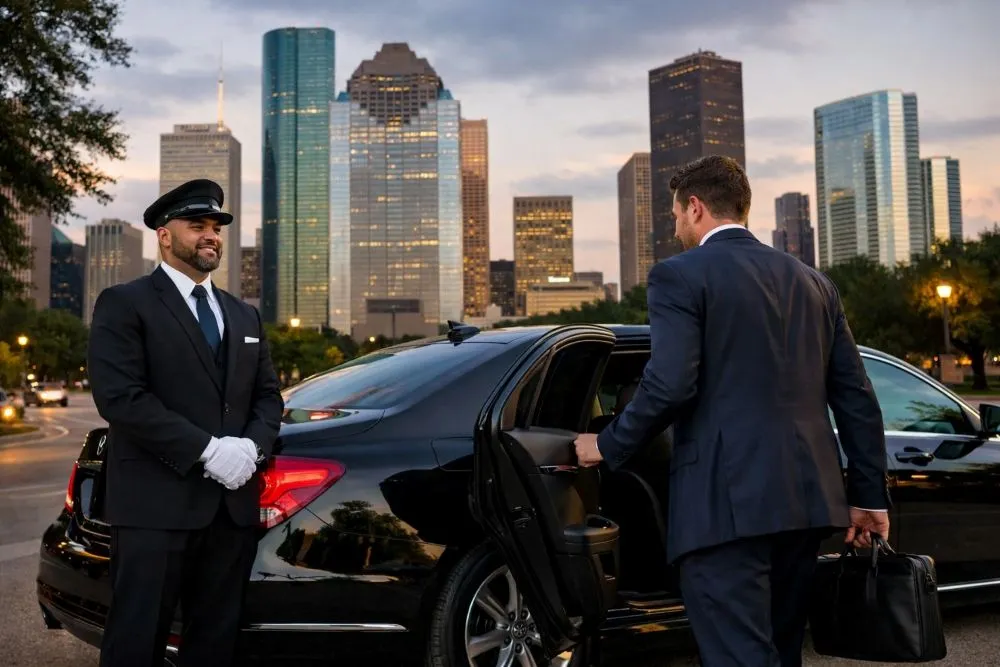
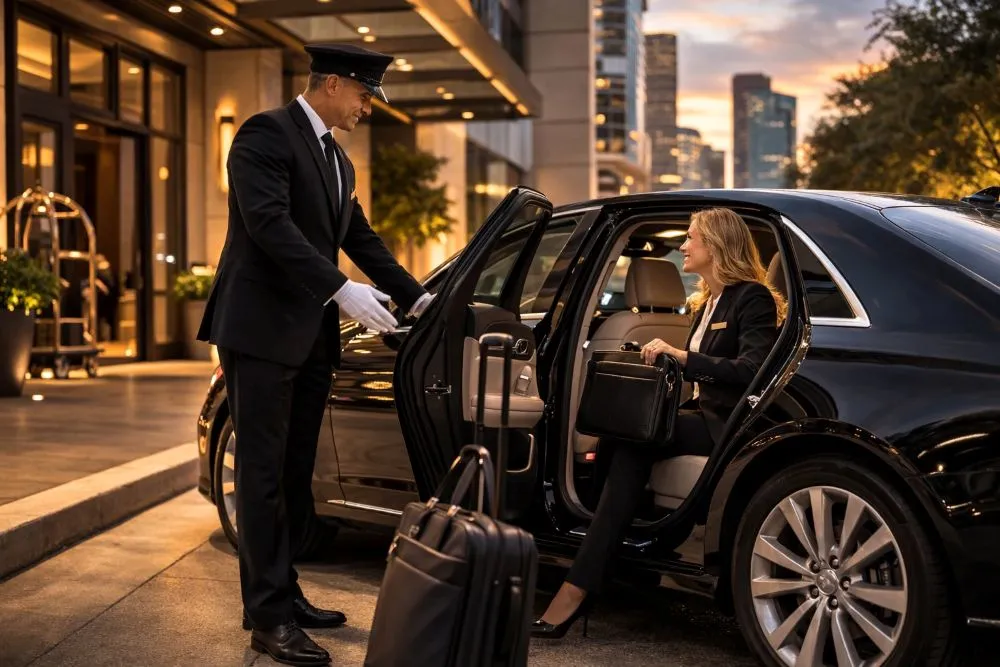
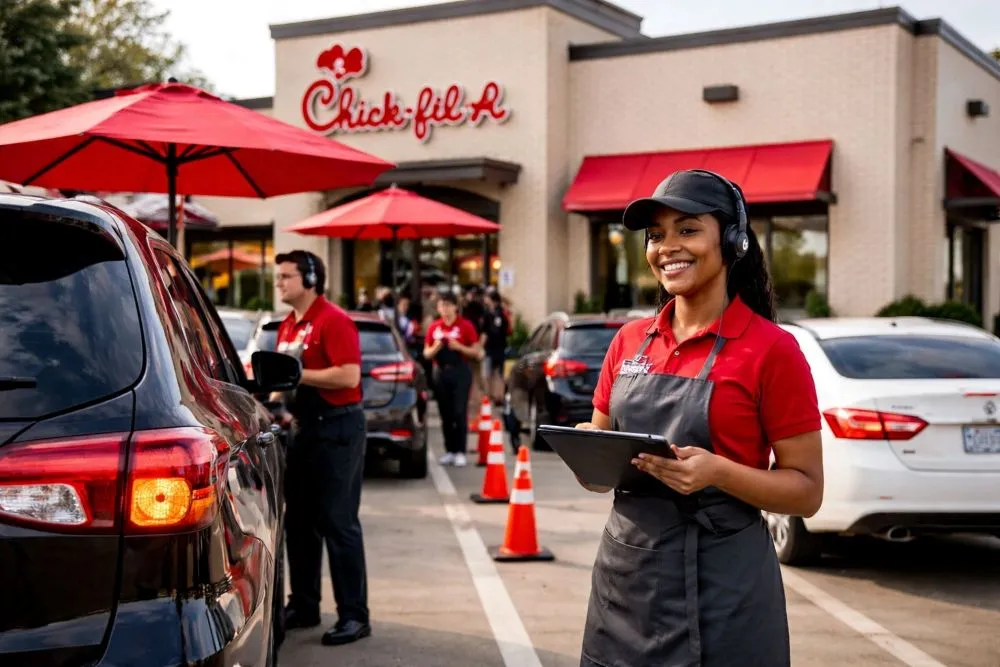

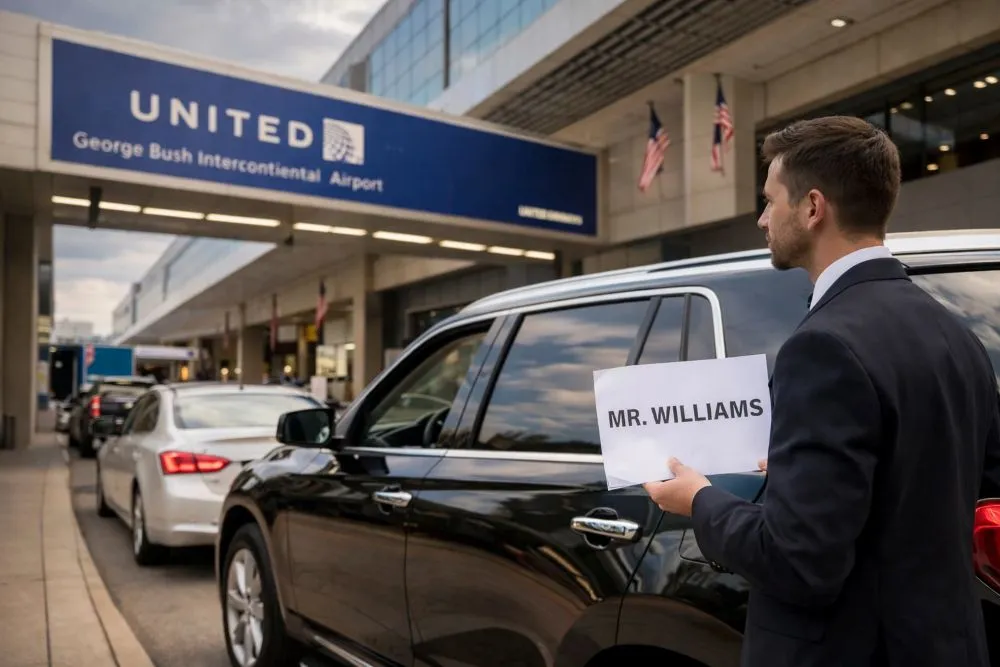
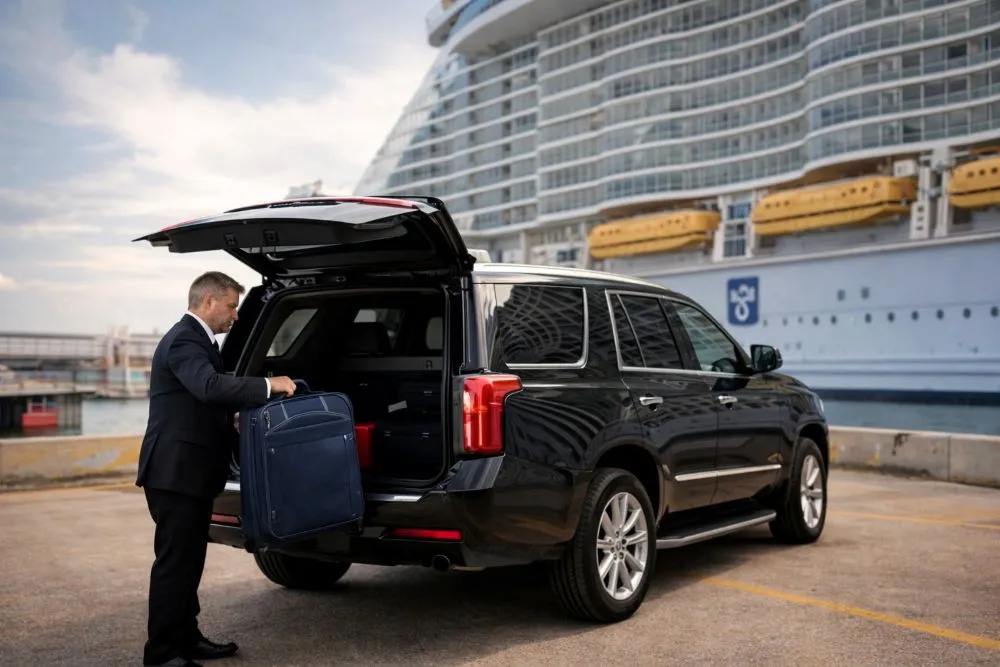
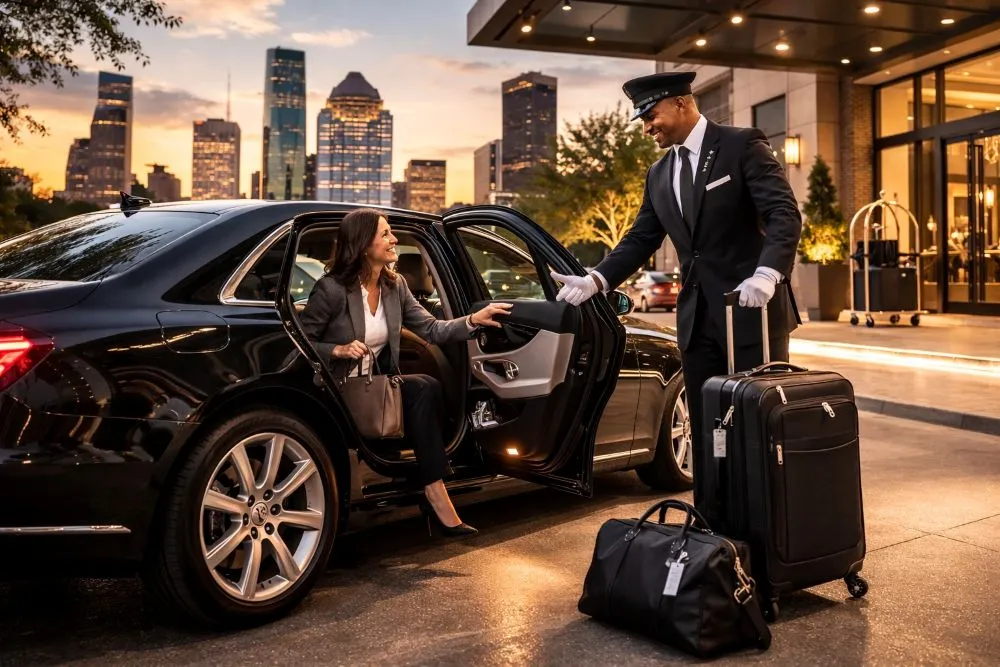
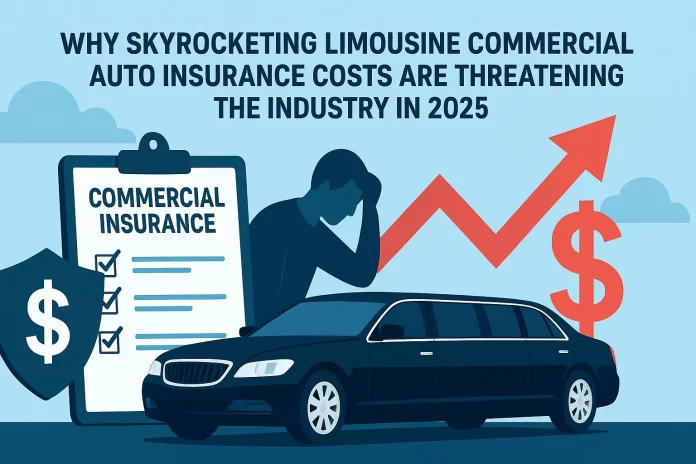
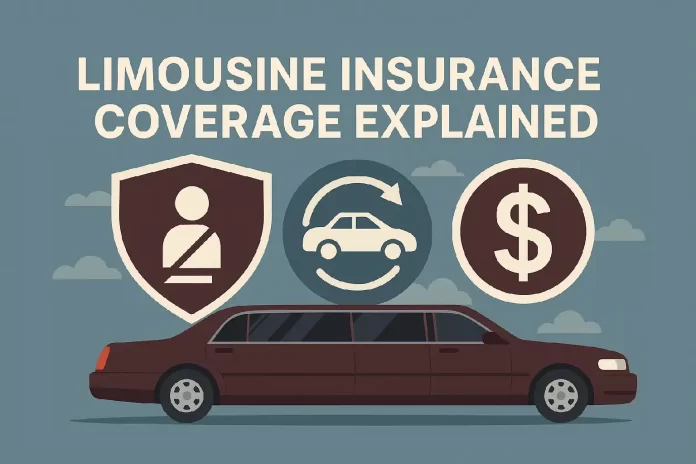
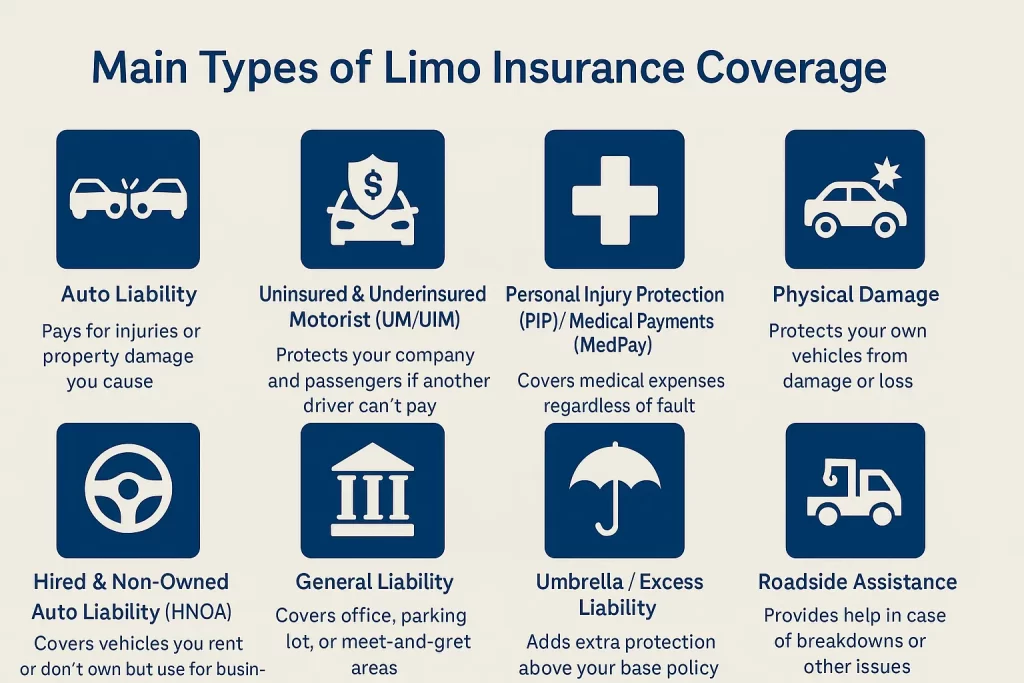
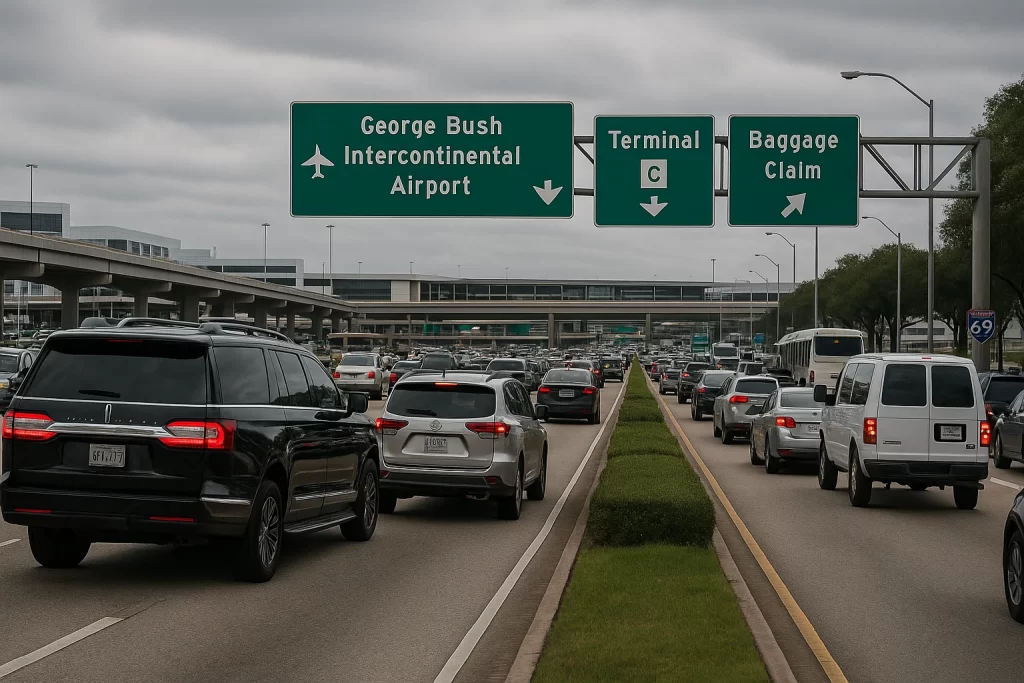

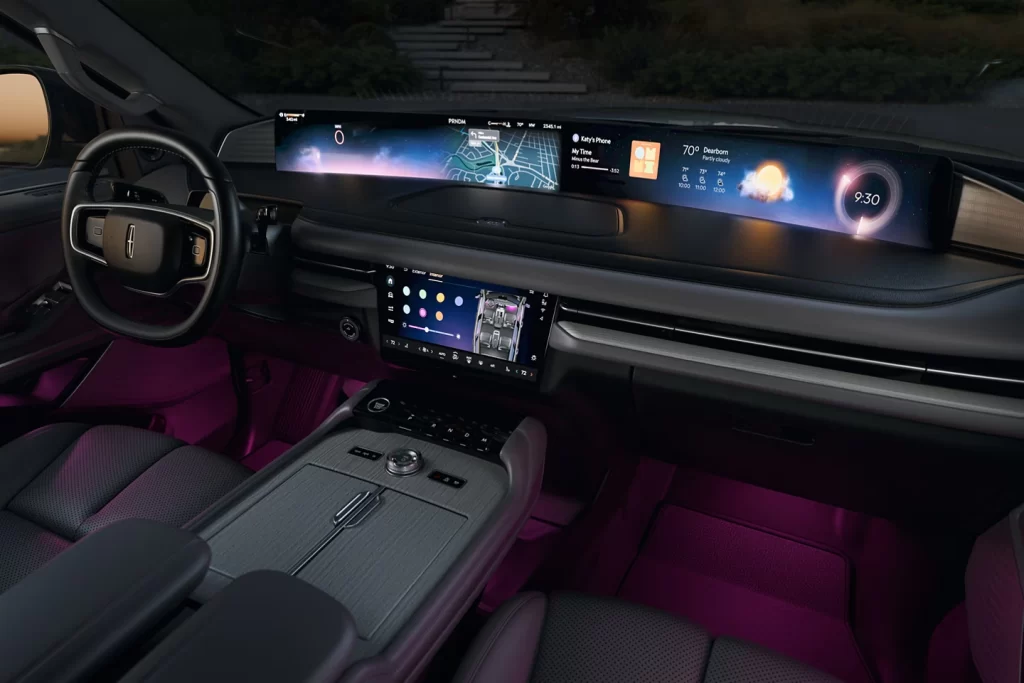
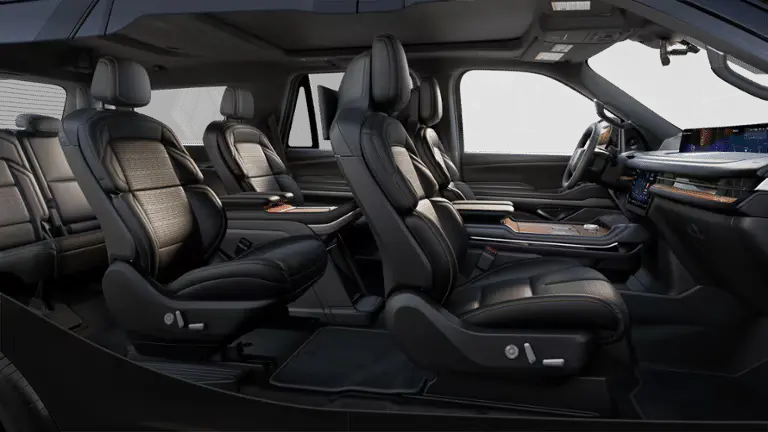
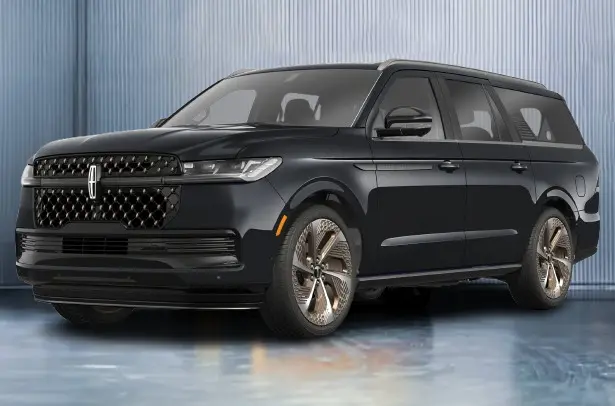 2025 Lincoln Navigator signature elevates the arrival experience for VIP clients.