
Houston Hospitality Blueprint: What Chick-fil-A, The Ritz-Carlton, and Four Seasons Teach the Limousine Industry
Publisher:
Houston Limousine Association (HLA)
Category: Limousine Industry Standards • Customer Experience • Houston Transportation
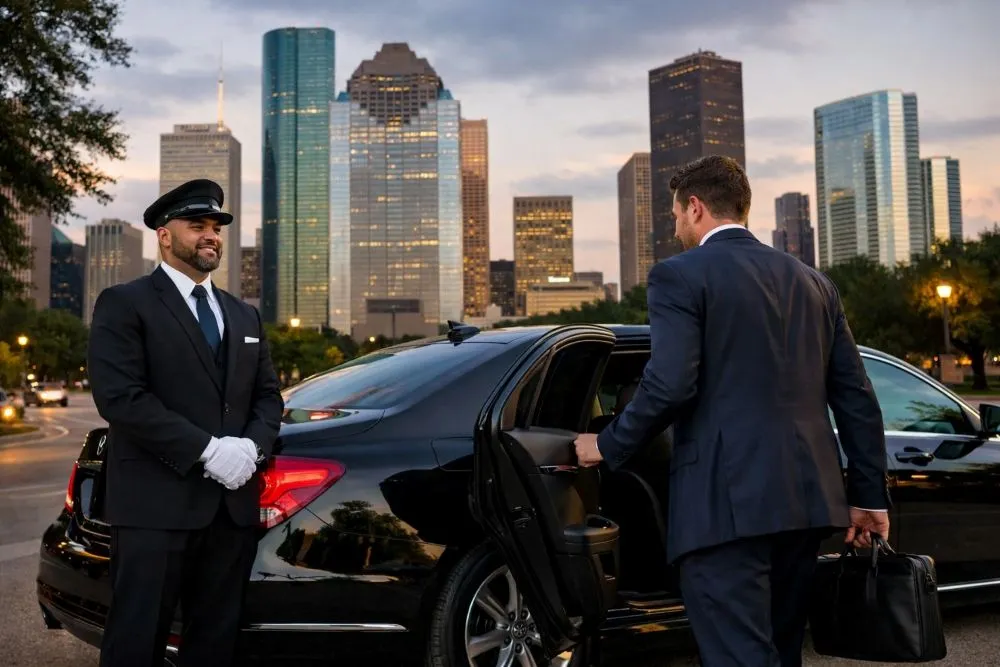
In 2026, the transportation industry’s strongest competitive moat is no longer fleet size, dispatch software, or vehicle inventory. It is systemized hospitality—consistent, anticipatory service delivered at scale with emotional intelligence.
In Houston, this matters even more. Our market serves corporate travel managers, C-suite executives, medical travelers, and cruise passengers moving through IAH, HOU, major convention venues, and the Galveston Cruise Terminals. When service standards across industries decline,
premium operators have an opening to win loyalty by delivering what the market is starving for: reliable, professional, high-touch hospitality.
Executive Summary
Hospitality is no longer a “nice to have” in the chauffeured transportation industry. It is a growth strategy and retention engine.
Operators who adopt:
- Chick-fil-A’s consistency (predictability, speed, repeatable systems)
- The Ritz-Carlton’s anticipation (empowered frontline problem-solving, personalization)
- Four Seasons’ emotional intelligence (quiet luxury, seamless execution, EQ-driven service)
can justify premium pricing, reduce churn, increase corporate retention, and differentiate from rideshare alternatives.
This is especially powerful for Houston because the executive market values reliability, composure, and risk reduction more than a small price difference.
Why Hospitality Is the New Competitive Edge
The biggest disruption in transportation is not vehicles, pricing, or even technology—it is the widespread collapse of customer service across nearly every sector.
Travelers have grown accustomed to long wait times, rushed interactions, and inconsistent experiences. That decline has created a rare opportunity for limousine and shuttle operators to stand out by delivering something most markets are missing, genuine, structured, world-class hospitality.
This isn’t a “soft” concept. Customer experience has measurable revenue impact:
- 86% of consumers are willing to pay more for a better customer experience (PwC).
- Increasing customer retention by 5% can increase profits by 25%–95% (Bain & Company research frequently cited in CX/retention literature).
- 73% of customers say experience is an important factor in purchasing decisions (Salesforce research).
- 92% of consumers trust recommendations and reviews over advertising (commonly cited Nielsen-style findings).
For Houston operators, no one captures this shift better than Younes J. Aitouazdi, President of TransGates Limousine, one of Houston’s leading ground transportation companies. the lesson is clear: we are no longer in the transportation business—we are in the hospitality business that happens to use vehicles.
The companies that master hospitality at scale can earn premium pricing, win corporate contracts, and achieve retention rates that price-based competitors cannot replicate.
1) The Chick-fil-A Model: Speed, Consistency, and Predictability
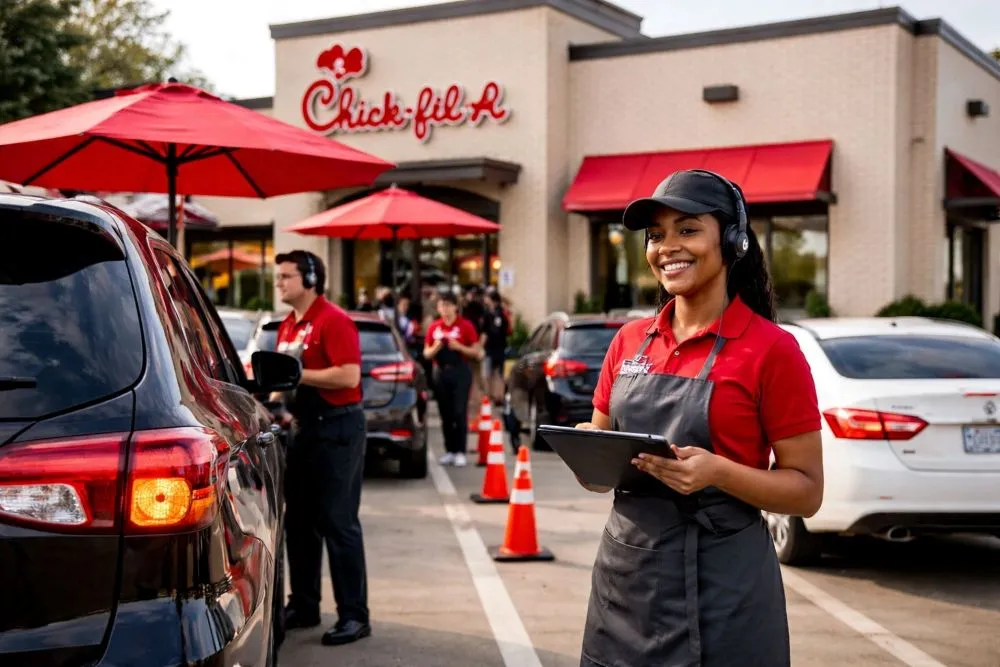
Chick-fil-A’s success is not about chicken sandwiches. It is about a systemized culture of consistency. Whether in Atlanta or Houston, the experience is designed to feel identical, clean, fast, polite, and predictable. That predictability builds trust. Trust creates repeat purchasing behavior.
What limo operators can learn
Predictable service beats “flashy” service
Clients don’t want randomness. They want to know exactly what to expect every time they book:
the chauffeur arrives early, communicates professionally, confirms details, helps with luggage, and executes the trip smoothly. Consistency becomes the brand.
Precision systems create premium experience
Chick-fil-A moves lines of cars efficiently because workflows are defined, roles are clear, and communication is proactive.
Transportation companies must create the same operational clarity through:
- Standardized confirmations and pre-trip reminders
- Flight tracking with proactive delay monitoring
- Defined arrival buffers (e.g., minimum 10–15 minutes early for executive pickups)
- Clear pickup instructions (terminal, door, baggage claim, meeting point)
- Dispatch handoff checklists (who, where, when, special notes)
Language is a brand standard
“My pleasure” is not accidental—it is a trained micro-script that reinforces brand identity. Limo operators need their own consistent language standards:
greeting script, confirmation script, and closing script. The goal is not robotic repetition; it is controlled quality that feels premium.
Result: when chauffeurs adopt standardized greetings and proactive communication, customer satisfaction typically rises—not because the cars changed, but because the experience did.
2) The Ritz-Carlton Standard: Anticipation and Empowerment
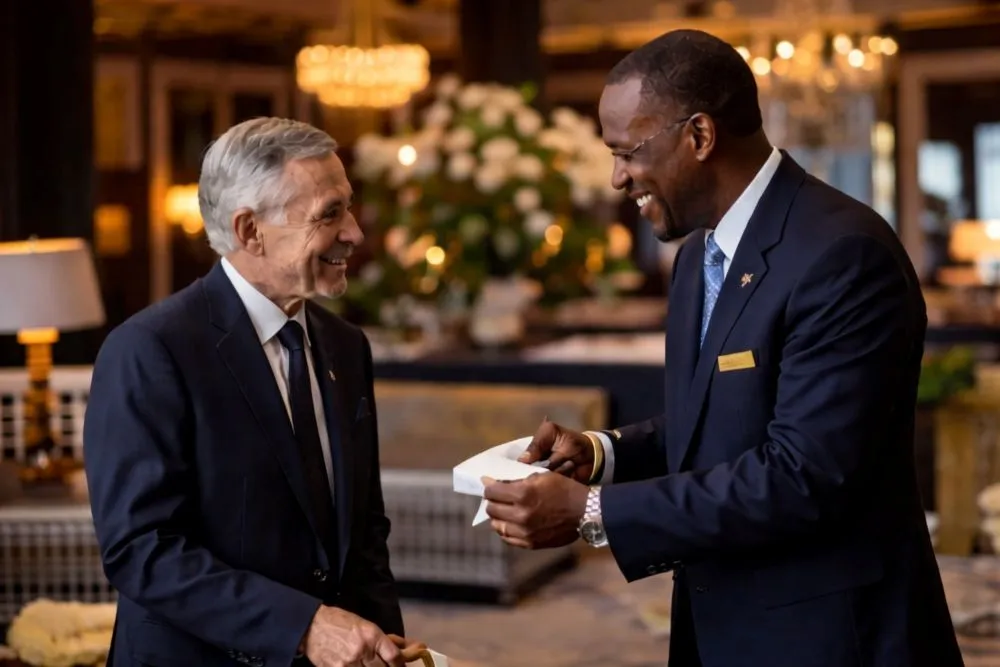
The Ritz-Carlton is famous for empowering every employee to solve problems on the spot. Their philosophy is simple: anticipate needs before the guest expresses them and remove friction immediately. That empowerment creates a feeling of effortless care.
What limo operators can learn
Empower chauffeurs to act
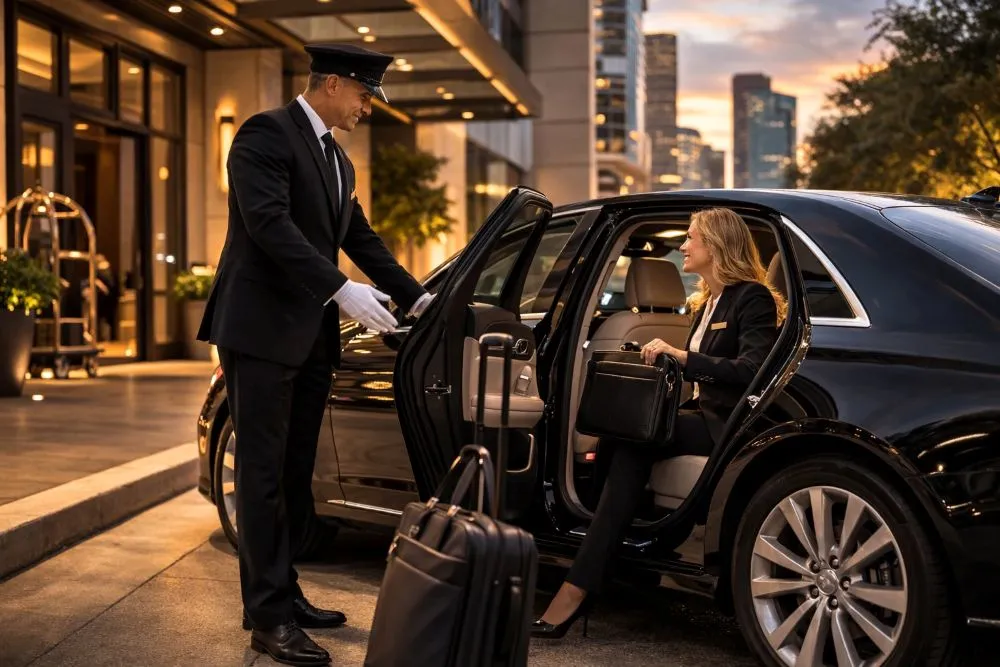
A chauffeur who notices a client is cold should adjust the temperature without being asked. If a client seems rushed, the chauffeur should confirm the fastest route, assist quickly with luggage, and reduce idle conversation. Empowerment means: the frontline professional has the authority to deliver the experience without waiting on dispatch approvals for small decisions.
Personalization is a retention strategy
Documenting a returning client’s preferences—route, temperature, music or silence, beverage choice, and billing format—turns a one-time ride into a long-term relationship. This is where a CRM becomes a hospitality tool, not just an accounting system.
Moments matter more than minutes
Rideshare apps compete on speed and convenience. Premium operators compete on moments of ease: door opening, luggage handling, calm communication, a spotless cabin, smooth driving, and consistent professionalism. The client should feel cared for—not processed.
When a chauffeur anticipates a client’s needs—adjusting music, confirming preferences, providing assistance—clients experience the brand as high-touch hospitality. That perception is what wins referrals and renewals.
3) The Four Seasons Philosophy: Quiet Luxury and Emotional Intelligence
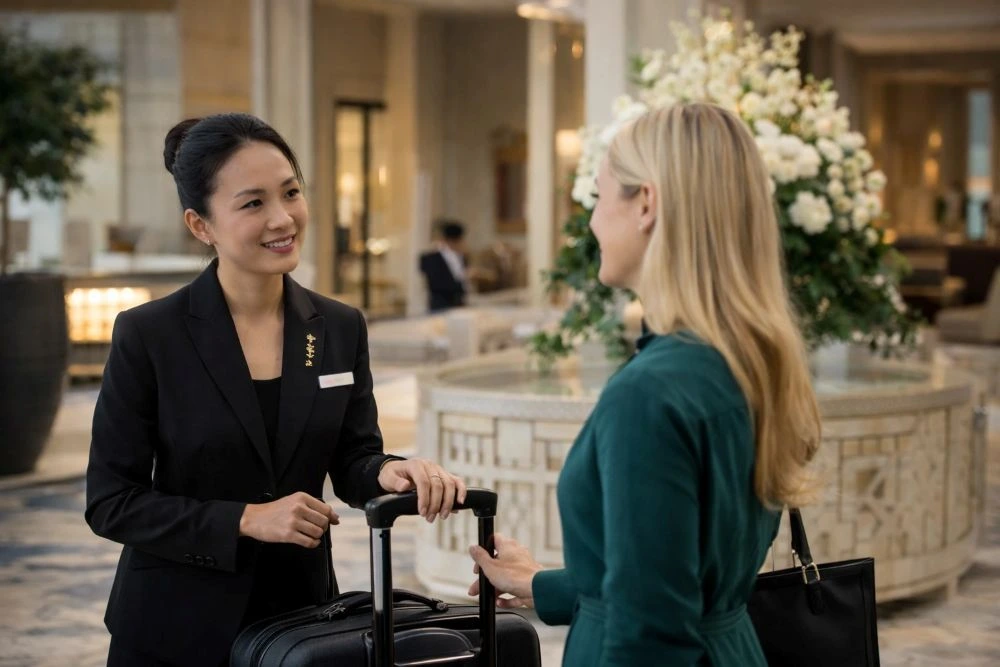
Four Seasons is known for effortless luxury—never loud or showy, but deeply intentional. Their service model is built on high emotional intelligence (EQ).
In chauffeured transportation, EQ is the ability to read the client: business mode, family mode, stress mode, celebration mode.
The best chauffeurs know when to talk, when to be silent, and how to carry calm into the vehicle.
What limo operators can learn
Luxury is quiet
Clean vehicles, soft-spoken professionalism, and calm confidence outperform flashy theatrics. Luxury clients do not want drama; they want composure, discretion, and seamless execution.
Frictionless logistics
Clients should never feel “logistics stress.” There should be no confusion about pickup points, no uncertainty about timing, and zero gaps in communication.
The experience should feel inevitable: the right vehicle, at the right place, at the right time.
The Art of Silence
Four Seasons trains staff to read body language and mood. Chauffeurs must master the art of silence—knowing when the client needs privacy or focus,
and when they want engagement. That emotional skill is a major differentiator from rideshare and commodity transport.
Houston Application: Where Hospitality Wins the Contract
Houston’s transportation demand is diverse: corporate offices, energy executives, medical travelers, conferences, airports, and cruise departures.
In each segment, hospitality becomes the trust mechanism that wins repeat bookings.
Houston airport transportation (IAH & HOU)
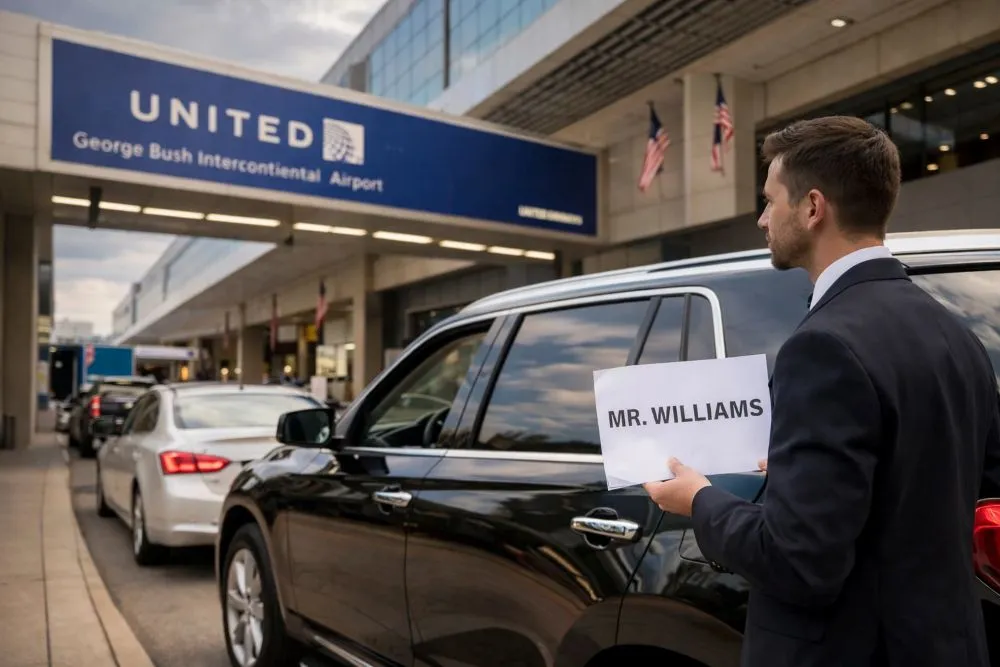
Airport transfers are the most common entry point for corporate clients. They are also where inconsistency is most visible: late arrivals,
unclear pickup instructions, poor communication, and driver confusion. A hospitality-first operator standardizes:
- Flight monitoring and proactive delay handling
- Clear “where to meet” instructions sent before landing
- Professional signage and meet-and-greet protocols
- Text/call updates at each stage (arrived, curbside, loaded, departing)
- Clean, quiet cabin with executive-ready environment
Galveston cruise transportation
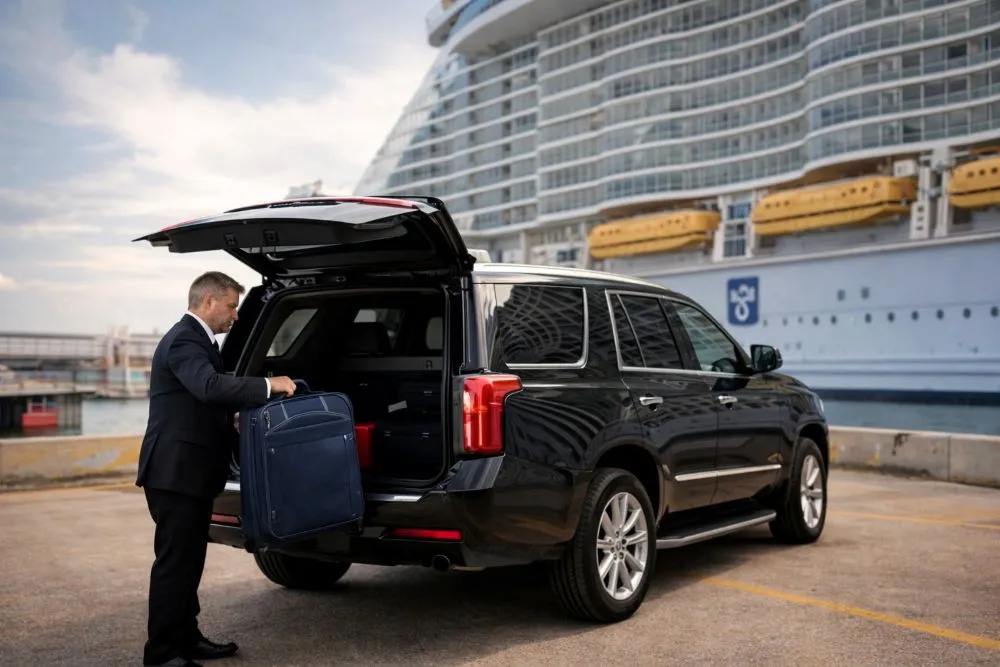
Cruise transfers are time-sensitive and emotionally loaded (families, luggage, departure windows). Hospitality-first operators remove friction through
clear staging communication, early arrivals, luggage help, and calm pacing. When the client feels “handled,” they become loyal—and they leave reviews.
Corporate travel management
Corporate travel managers and executive assistants prioritize reliability and reduced risk. Hospitality is a risk-control system: fewer surprises, fewer complaints, fewer escalations. That is why premium operators often win long-term relationships even when not the lowest bidder.
The Strategic Advantages of Hospitality-First Transportation
Focusing on hospitality creates a competitive moat that pricing or technology cannot bridge. The key advantages:
- Higher client retention: Loyal clients compound revenue and reduce acquisition costs.
- Stronger corporate relationships: Executives prioritize reliability and composure over discounts.
- Premium pricing justification: Clients pay more for peace of mind and predictable execution.
- Reduced driver turnover: Drivers treated as hospitality professionals take greater pride and ownership.
- More 5-star reviews: Hospitality creates “reviewable moments,” which drive local SEO and trust.
5 Steps to Apply These Principles to Your Operation
- Build a Service Playbook:
Create standard greetings, vehicle presentation checklists, airport/cruise pickup protocols, and problem-resolution procedures.
The goal is controlled quality across every chauffeur and dispatcher. - Train for Emotional Intelligence:
Teach chauffeurs how to read mood, protect privacy, handle stress, and communicate with executive professionalism. - Empower Your Team:
Give chauffeurs authority to solve small issues (water, temperature, minor service recovery gestures) without delay.
Empowerment prevents problems from becoming complaints. - Systemize Follow-Up:
Use automated (but personalized) thank-you messages, request reviews ethically, and record client preferences in your CRM. - Lead by Example:
Culture flows downward. If leadership is disorganized, communication will be chaotic. If leadership is disciplined, service becomes predictable.
What Hospitality Looks Like in the Vehicle
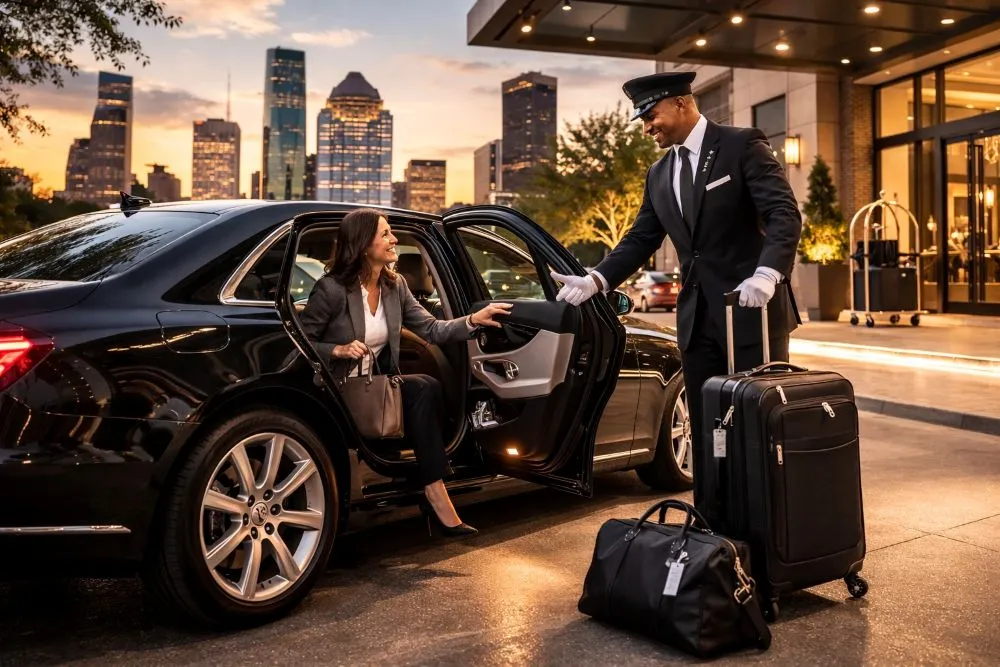
The premium experience is built in details:
- Chauffeur arrives early and communicates clearly
- Vehicle is spotless, odor-free, and executive-ready
- Door opening and luggage assistance are offered without asking
- Driving is smooth, safe, and calm—never aggressive
- Conversation matches the client’s mood (silence when needed)
- Trip ends with a clean closing and follow-up (receipt, thanks, review request)
The Future of Ground Transportation
The companies that will dominate the next decade are not the ones with the newest vehicles—they are the ones that deliver predictable,
anticipatory, emotionally intelligent hospitality.
Chick-fil-A mastered consistency. The Ritz-Carlton mastered anticipation. Four Seasons mastered emotional luxury.
The limousine industry can borrow these principles to transform luxury travel from a utility into an elevated human experience.
Fleet can be matched. Technology can be replicated. Price can be undercut.
But hospitality culture—when engineered and protected—becomes a durable moat.
HLA’s Role: Raising the Standard in Houston
The Houston Limousine Association exists to strengthen professionalism, safety, and service standards across our market.
When operators align around hospitality systems, the entire industry benefits: fewer bad experiences, stronger client trust,
and higher respect for professional chauffeured transportation.
Learn more and connect with professional providers:
Recommended member services:
Houston executive car service
Galveston cruise shuttle transportation
Houston airport town car service
Frequently Asked Questions
Why is hospitality important in the Houston limousine industry?
Hospitality differentiates professional limousine companies from rideshare services by delivering consistency, anticipation, and emotional intelligence.
In Houston’s executive, medical, and cruise markets, reliability and stress reduction justify premium pricing and drive repeat bookings.
How can Houston limo companies increase client retention?
Retention increases when operators standardize service playbooks, document client preferences in CRM systems, empower chauffeurs to resolve issues quickly, and maintain proactive communication for airport and cruise transfers.
What does “anticipation” mean for a chauffeur service?
Anticipation is executing client needs before they ask—temperature, route preference, luggage assistance, quiet ride, pickup clarity, and timing precision.
It turns transportation into hospitality and improves loyalty.
How does hospitality justify premium pricing?
Clients pay more for predictable execution, reduced stress, and confidence that logistics are handled. Premium hospitality adds value beyond the vehicle itself.
What are the best practices for IAH airport chauffeur pickup?
Best practices include flight tracking, clear meeting instructions, professional signage, proactive status updates, early arrival buffers, and a calm, executive-ready vehicle environment.
How can HLA members use this framework immediately?
Start with a service playbook, standard language scripts, CRM preference tracking, chauffeur empowerment limits, and EQ training modules.
Implement in phases and audit weekly for consistency.