

What Houston Limousine Operators Must Know About the 2025 Window Tint Law
Article Highlights (TL;DR)
• The Houston Limousine Window Tint Law 2025 updates Texas Visible Light Transmission (VLT) rules for commercial and for-hire vehicles.
• Limousines, town cars, and other fleet vehicles must comply with specific VLT percentages by window type.
• Violations can result in fines, inspection failures, and reputational risks for operators.
• Proactive compliance saves money and safeguards your company’s professional image.
• Tips include vetting tint shops, keeping records, and training drivers on the law.
Introduction
The Houston Limousine Window Tint Law 2025 is one of the most important updates limousine and for-hire vehicle operators must understand this year. For Houston fleet owners and operators, compliance is not optional. A single violation can lead to steep fines, inspection failures, and a loss of credibility with clients. By staying informed and applying the law correctly, operators ensure their vehicles project professionalism while avoiding unnecessary setbacks.
The Core of the Law: Understanding Houston’s VLT Regulations
Specific VLT Percentages for Limousines
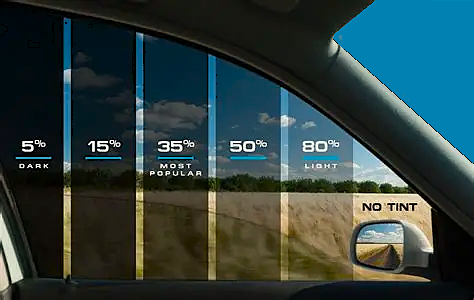
Texas law requires certain Visible Light Transmission (VLT) levels, measured as the percentage of light allowed through windows. For commercial and for-hire vehicles operating in Houston, the following apply:
• Front Windshield: Tinting is allowed above the manufacturer’s AS-1 line or the top five inches, whichever is lower, with a minimum VLT of 25%.
• Front Side Windows: Must allow at least 25% VLT.
• Rear Side Windows: No VLT limit for limousines and passenger vehicles if the vehicle has outside rearview mirrors on both sides.
• Rear Window: No VLT limit if outside rearview mirrors are present on both sides.
Distinctions for For-Hire Vehicles
While personal vehicles in Texas enjoy broader flexibility, for-hire vehicles such as limousines and town cars often face additional scrutiny. Commercial fleets are inspected more frequently and must maintain documented proof of compliance. Some luxury fleets may qualify for medical or security exemptions, but these require formal permits from the Texas Department of Public Safety (DPS). Operators should never assume exemptions without written authorization.
Enforcement, Penalties, and the Cost of Non-Compliance
Fines and Other Consequences
Failing to comply with the Houston Limousine Window Tint Law 2025 carries real costs:
• Fines: Citations can range from $150 to $275 per violation, depending on severity and repeat offenses.
• Inspection Failures: Annual state inspections can be denied if tint is too dark, leading to downtime and repair costs.
• Reputational Impact: Corporate clients expect luxury fleets to maintain compliance. A failed inspection or roadside ticket damages the trust that operators work hard to build.
Furthermore, law enforcement in Houston actively monitors limousine fleets, especially near high-traffic zones like George Bush Intercontinental Airport (IAH), William P. Hobby Airport (HOU), and major hotel districts. Non-compliance in these areas can also trigger increased regulatory attention.
Pro Tips for Staying Ahead of the Law
• Vet Tint Shops Carefully: Only work with tint installers who understand Texas commercial vehicle tint laws. Always request written certification of VLT levels.
• Keep Compliance Records: Store tint installation receipts, certification stickers, and inspection reports in vehicle files. These may serve as evidence if compliance is ever questioned.
• Train Drivers and Managers: Ensure staff can answer client or officer questions about the law. Awareness reduces operational risks.
• Plan for Inspections: Schedule pre-inspection checks before state inspection deadlines to avoid surprises.
• Review Fleet Regularly: Changes in ownership, accident repairs, or glass replacements can inadvertently put a vehicle out of compliance.
Conclusion
The Houston Limousine Window Tint Law 2025 is more than just a regulation—it is a reflection of professionalism in the chauffeured transportation industry. Compliance helps operators avoid costly penalties, ensures smooth inspections, and reinforces the industry’s reputation in Houston’s competitive market. Staying ahead of these laws is not only a legal obligation but also a cornerstone of dependable, high-end service.
Frequently Asked Questions (FAQ)
Q1: Do limousines have stricter window tint rules than personal vehicles?
A: Yes. While Texas law allows more flexibility for personal cars, limousines and other for-hire vehicles in Houston face stricter enforcement. These vehicles undergo more frequent inspections and are more likely to be checked during roadside stops.
Q2: Can I install darker tint if clients request extra privacy?
A: No. Client preference does not override the Houston Limousine Window Tint Law 2025. Operators must follow the official VLT limits, or they risk fines, failed inspections, and possible removal of the tint.
Q3: What if my limousine fleet had window tint applied before 2025?
A: Pre-existing tint does not exempt you. All limousines and for-hire vehicles must comply with the updated 2025 tint regulations. Older tint jobs are not grandfathered in.
Q4: How can I confirm that my limousine’s tint is legal?
A: Always request a VLT compliance certificate from your tint installer. Keep this documentation in your records and verify the levels during each annual inspection to avoid surprises.
Q5: Are there exemptions for medical, executive, or security reasons?
A: Yes, but exemptions are limited. They require official approval and documentation from the Texas Department of Public Safety (DPS). Operators should never assume exemptions apply without written authorization.